• Skip to main content
  • Skip to header left navigation
  • Skip to site footer
  • Home
  • About
  • Movies
  • Musical
  • Television
Pop Culture Blog: Music, Movie and Humor

Pop Culture Blog: Music, Movie and Humor

Leveraging low-hanging synergies outside the vertical fruit box since 1999.

Movies

20 Movie and TV Scenes That Belong in Sales Training

by admin on August 26, 2026
in Movies, Professional, Television

Movie and TV scenes can turn sales training from another slide deck into a useful argument about prospecting, persuasion, trust, incentives and ethics. These 20 clips are ranked by their direct value to sales teams, with discussion questions for managers planning an off-site retreat, sales kickoff or coaching session. They range from Jim and Dwight’s oddly excellent sales call in The Office to the real door-to-door pressure captured in Salesman. Several work best as warnings, not examples to imitate.

That distinction matters. Put Alec Baldwin’s Glengarry Glen Ross speech on a screen without framing it and half the room may laugh, quote it and miss the point. Show the same clip after asking what its incentive system would produce, and it becomes a conversation about management failure. The clip isn’t the lesson. The argument afterward is.

There is a sound educational reason to work this way. Harvard’s Instructional Moves library uses short, unedited clips to give participants a shared experience they can examine together, while research published in the Journal of Management Education has traced how film became instructional. Sales teams don’t need a cinema-studies seminar, though. They need a scene, a pointed question and enough room to disagree.

Table of Contents

  • Why These Scenes Work Better Than Another Training Deck
  • The Six Scenes Most Sales Teams Can Use Immediately
  • Seven Uncomfortable Lessons About Persuasion and Sales Culture
  • When Selling Happens Outside the Sales Floor
  • How to Run the Clips at a Sales Retreat
  • Frequently Asked Questions
  • One Last Warning About the Crowd Pleasers

Why These Scenes Work Better Than Another Training Deck

A short scene makes behavior visible. Instead of telling representatives to “sell the outcome,” a manager can show Don Draper turning a slide projector into a story about memory. Rather than warning against manufactured urgency, the room can watch Harold Hill invent a civic emergency around a pool table. Features. Stakes. Tone of voice. The pause before asking for the decision. People can see the mechanism working, including the parts they don’t like admitting still work.

The best choices also resist a single approved interpretation. Jim Young’s Boiler Room speech is manipulative, but it is not weak. Larry Garfield’s argument in Other People’s Money is cold, but much of it is true. A useful facilitator doesn’t rush in to settle those contradictions. Salespeople already spend their working lives in the space between advocacy and accuracy, so let them stay there for a few minutes.

This ranking favors scenes that show a transferable sales behavior in a recognizable commercial setting. Literal sales scenes come first. Broader examples of persuasion, consensus-building and cross-functional work appear later, even when the filmmaking is better. That is why The Office outranks Network. We are ranking training usefulness here, not handing out Oscars after the fact.

The Six Scenes Most Sales Teams Can Use Immediately

1. The Office: Jim and Dwight Make the Competition Prove Their Point

In the “Traveling Salesmen” episode, Jim and Dwight meet a prospect who could buy paper from a large national supplier. Jim handles the relationship while Dwight places a call to the competitor’s customer-service line and waits on hold. No grand claims. No feature dump. The prospect experiences the difference between a large vendor and Dunder Mifflin while the two representatives sit in front of him.

The complete sequence of Jim and Dwight’s sales calls is funny, but the first meeting deserves serious attention. They know their roles, move without stepping on each other and turn an intangible advantage into observable proof. Plenty of companies claim better service. These two stage the evidence.

Ask the room which of your own competitive advantages can be demonstrated during a meeting. Then make the question harder: could you do it without manipulating the comparison or looking petty? Dwight gets close to that line. Of course he does.

Training focus: Team selling, competitive differentiation and proving value instead of announcing it.

2. Mad Men: The Carousel Pitch Sells What the Product Means

Don Draper doesn’t sell Kodak executives on the mechanics of a slide projector. During the Carousel presentation, he turns the machine into a way of returning to moments people fear they have lost. The product remains visible, but it stops being the subject. Memory takes over.

That is why the scene has survived countless sales seminars without becoming useless. Most weak pitches remain organized around what the company made: its platform, process, engineering, service model or award shelf. Buyers care when those things alter an outcome they recognize. As the Harvard Business Review has argued in its guidance on sales storytelling, narrative works when it reflects the customer’s situation rather than decorating a stack of product claims.

There is an uncomfortable wrinkle. Don uses photographs from a family life he has damaged through dishonesty. The emotional truth of the presentation doesn’t match the presenter’s conduct. Does that weaken the pitch, or prove that a salesperson can understand a truth without living by it? Leave that one open.

Training focus: Storytelling, emotional value and presenting the result rather than the machinery.

3. The Pursuit of Happyness: Cold Calling With the Clock Running

Chris Gardner begins his brokerage internship with fewer resources and less time than the people around him. In the cold-calling sequence, he cuts small pieces of friction from his routine so he can reach more prospects: no setting down the receiver, no drinking water, no easy pauses. The scene is often reduced to “work harder.” That is the least interesting reading of it.

Gardner is redesigning a process under constraint. Sales teams accumulate tiny habits, approval steps, CRM chores and meeting rituals that nobody would deliberately build from scratch. Individually, each one looks harmless. Together, they consume the hours reserved for customers. A manager can use this clip to ask representatives which parts of their day create selling opportunities, which protect the business and which survive because nobody has killed them yet.

Still, efficiency has a cost. A representative who treats every human interaction as wasted motion can become productive on paper and intolerable in practice. The scene works because it invites both reactions.

Training focus: Prospecting discipline, time management and removing operational friction.

4. Salesman: There Is No Screenwriter to Rescue the Call

The 1969 documentary Salesman follows four men selling expensive illustrated Bibles to working-class Catholic families. For a retreat, choose a four-to-six-minute in-home segment from Criterion Channel, ideally one in which a family raises a financial objection and the representative begins adjusting the payment terms and emotional appeal.

Nothing lands cleanly. The customers hesitate, calculate and look toward one another. The salesperson keeps searching for a version of the offer that will survive. Unlike a scripted movie, the scene does not identify the precise moment when persistence becomes pressure. Everyone has to decide that for themselves.

This may be the most honest selection in the Top 20. It shows the physical wear of prospecting, the private panic behind a dry spell and the danger of treating every objection as an obstacle placed there for the representative to conquer. The salesmen aren’t monsters. They aren’t heroes either. Good.

Ask one question: at what point does “overcoming an objection” become refusing to accept the customer’s answer? Do not rescue the room when it gets quiet.

Training focus: Real objections, closing pressure, affordability, rejection and sales ethics.

5. The Big Kahuna: Curiosity With an Agenda Isn’t Quite Curiosity

Three industrial-lubricant representatives attend a convention hoping to land one major account. The youngest member gets close to the target executive, then turns their personal exchange into a religious pitch. Afterward, Phil, played by Danny DeVito, explains the difference between sincerely wanting to know another person and collecting personal information so it can be used.

In Phil’s monologue from The Big Kahuna, the point is blunt: once you take control of a conversation to push it toward a predetermined destination, it isn’t the same conversation anymore. It has become a pitch. Sales training uses softer language for the same maneuver. Build rapport. Find the personal connection. Ask about the photographs on the shelf. None of that is wrong, except when the interest disappears the moment the commercial opportunity does.

Can a salesperson care about someone and still hope to sell that person something? Yes. Probably. But most relationship-selling programs slide past the tension so quickly that the phrase “be authentic” becomes another technique to perform. This clip doesn’t let the room escape that easily.

Training focus: Discovery, strategic rapport, personal boundaries and transactional relationships.

6. Air: Tell the Buyer Something the Buyer Doesn’t Want to Hear

Nike’s pursuit of Michael Jordan culminates in a pitch to Jordan and his parents. During Sonny Vaccaro’s presentation, he doesn’t promise an uncomplicated rise. He describes the criticism, expectations, losses and public judgment waiting for Jordan. Then he explains why Jordan can become larger than all of it.

The candor gives the ambition weight. When every other seller has arrived with praise and guarantees, the person willing to name the danger sounds as though he has considered the buyer’s actual future. That doesn’t mean every pitch needs a theatrical warning section. It means credibility sometimes increases when the seller stops pretending the decision contains no risk.

For account-based teams, the scene offers another lesson: Nike isn’t pitching a generic athlete. Vaccaro has built the case around this person, this family and the imbalance between Jordan’s likely importance and Nike’s current position in basketball. Take away that preparation and the speech becomes expensive-sounding air.

Training focus: Strategic account research, candor, risk and high-stakes presentation.

Seven Uncomfortable Lessons About Persuasion and Sales Culture

7. Thank You for Smoking: Winning the Frame Without Proving the Point

Nick Naylor teaches his son how to win an argument using a dispute about chocolate and vanilla ice cream. In the “Ice Cream Politics” scene, Nick stops defending his assigned position and reframes the exchange around freedom of choice. He appears to win without establishing that chocolate is better.

Salespeople do this all the time, often for legitimate reasons. A prospect asks whether Product A has more features, and the representative argues that simplicity matters more. A buyer presses on hourly rates, so the seller redirects the discussion toward total cost. Reframing can correct a bad decision criterion. It can also help a seller avoid an argument they would lose.

Ask the group to identify the exact moment at which Nick moves from persuasion into misdirection. They may not agree that such a moment exists. Better yet, have them bring an objection they routinely reframe and explain what evidence would make the reframe honest.

Training focus: Objection handling, reframing and the difference between relevance and evasion.

8. Boiler Room: Jim Young Sells the Recruits a Future Self

Jim Young enters a room of prospective brokers and makes an enormous promise: join J.T. Marlin and become a millionaire. During the recruiting speech from Boiler Room, he presents himself, his Ferrari, his house and his liquidity as evidence. Then he explains the sacrifice required and ridicules the people who might question it.

The speech converts insecurity into commitment with frightening efficiency. Young establishes authority, offers admission to an exclusive identity, defines extreme work as proof of seriousness and makes walking away feel like a confession of weakness. He also gives the recruits enough concrete information about training and advancement to make the fantasy sound like a plan. That part matters. Pure hype is easier to reject.

Why does it remain exciting after we recognize the manipulation? Because the offer speaks to ambition, autonomy and resentment toward everyone who underestimated the listener. A sales leader can use the scene to examine the promises a company makes to its own recruits, including the ones that never appear in an employment agreement.

Training focus: Motivation, identity, recruiting, sacrifice and coercive sales culture.

9. Glengarry Glen Ross: Fear Produces Activity, Then Something Worse

Blake’s “Always Be Closing” speech is frequently played as a celebration of toughness. That reading requires ignoring almost everything that happens in Glengarry Glen Ross. Management creates a contest, withholds the better leads, humiliates struggling representatives and threatens their livelihoods. The predictable results include desperation, sabotage, theft and fraud.

Fear can produce a burst of activity. It can even produce a short-term result, which is why this management style never disappears for good. But representatives who believe the company will discard them begin protecting themselves from the company. Customer welfare becomes somebody else’s concern. So does the truth.

Pair this clip with Boiler Room. Blake tells established salespeople they will become worthless if they fail. Jim Young tells recruits they will become exceptional if they join. Loss on one screen, aspiration on the other. Same appetite for control.

Training focus: Incentive design, humiliation, performance pressure and management responsibility.

10. Other People’s Money: Two Honest Speeches, Two Incomplete Truths

At a shareholder meeting, Andrew Jorgenson asks investors to preserve a company that supports employees, families and a community. Larry Garfield answers that the underlying wire-and-cable business is obsolete and that loyalty cannot reverse a shrinking market. Watch the competing speeches together, not just DeVito’s famous “buggy whip” argument.

Y

Both men tell the truth. Jorgenson understates the economic danger; Garfield dismisses obligations that don’t fit neatly into shareholder return. Each speaker chooses the facts that make his preferred decision feel responsible. That makes this a better sales exercise than a scene with an obvious winner.

Take a private vote before discussion and another afterward. Which man made the better presentation? Which decision should the shareholders make? And the question most established companies would rather avoid: what are we exceptionally good at selling that customers may stop needing?

Training focus: Stakeholder persuasion, competing value propositions, change and obsolescence.

11. Moneyball: Stop Rewarding What Merely Looks Like Selling

Billy Beane’s scouts know baseball. They also rely on familiar signals that sound ridiculous once spoken aloud: the shape of a player’s body, the attractiveness of his girlfriend, whether he “looks” like a ballplayer. In the “He Gets on Base” scene, Beane insists on measuring the outcome that creates runs rather than the traits tradition has taught scouts to admire.

Sales organizations maintain their own versions of the handsome ballplayer. The charismatic presenter. The person who dominates meetings. The representative with an immaculate pipeline full of opportunities that never close. Meanwhile, quieter behaviors such as qualification, account selection, follow-up quality and early disqualification may predict revenue more reliably.

This isn’t an argument for managing sales through dashboards alone. Bad measurements become authoritative faster when somebody puts them in a dashboard. The scene asks a narrower and better question: which behaviors do we reward because they resemble our inherited picture of a salesperson?

Training focus: Metrics, qualification, performance signals and resistance to evidence.

12. The Music Man: First Manufacture the Emergency

Professor Harold Hill needs River City to buy instruments and uniforms for a boys’ band. The town hasn’t asked for one. In “Ya Got Trouble”, Hill turns the arrival of a pool table into a threat to children, family discipline and civic identity. By the time he offers his solution, the audience has already accepted the problem.

The mechanics haven’t aged much. Find an observable change. Attach consequences. Make the listener responsible for preventing them. Repeat the warning until social agreement forms. Fear has now created demand.

Ethical salespeople also help customers recognize problems they have underestimated. The difference is evidence. If the consequences are real and the solution fits, urgency serves the customer. If the seller must distort the risk to get movement, River City has another Harold Hill.

Training focus: Pain creation, urgency, social proof and fear-based persuasion.

13. Paper Moon: Personalization Can Become Predatory

Moses Pray reads newspaper obituaries, visits recently widowed women and claims their husbands ordered expensive personalized Bibles before dying. The Bible-selling scene in Paper Moon turns account research into a confidence trick.

Modern representatives can learn more about a prospect in ten minutes than Moses could discover in a day. Job history. Funding announcements. Personal posts. Technology stacks. Family details. Used properly, that information prevents irrelevant outreach and helps a seller understand the account. Used badly, it lets the seller press on a fear, grief or insecurity the prospect never volunteered for commercial use.

Where does personalization become surveillance? Most teams don’t have a clean answer, and a policy written by legal won’t settle the human question. Start with a practical rule: if the prospect knew exactly how the information had been found and why it was being mentioned, would the opening still feel acceptable?

Training focus: Account research, personalization, privacy and exploiting vulnerability.

When Selling Happens Outside the Sales Floor

14. Tin Men: The Problem of Getting Through the Door

The aluminum-siding representatives in Tin Men use staged circumstances to create conversations that appear accidental. The prospecting trick is funny because the audience can see the machinery while the target cannot.

Underneath the deception sits a real outbound problem. The seller cannot make a case until the prospect permits the conversation to begin. Gimmicks, pattern interrupts and misleading subject lines all promise that permission. Once the prospect recognizes the trick, however, the seller begins the actual conversation with a trust deficit.

Ask the team to write an opening that states the commercial intent without sounding like a surrender. It is harder than staging a lucky accident. It is also more useful.

Training focus: Prospecting openings, permission and concealed intent.

15. Hidden Figures: Make the Decision Part of the Buyer’s Story

Mary Jackson needs a judge’s permission to attend night classes at a segregated school. She knows that a general appeal to fairness may not move this particular decision-maker, so she studies him and frames the request around something he values: being first. Her courtroom appeal gives the judge a place in the future she is asking him to authorize.

This is buyer-specific framing at its best. Mary doesn’t abandon the substance of her request. She finds the reason this person might choose to grant it. Sellers often do the opposite, repeating their strongest corporate argument to every member of a buying committee as if finance, operations and the end user share one nervous system.

There is a limit. Turning every decision into flattery produces transparent nonsense. The appeal works because the judge’s record supports it and the action would make the claim true.

Training focus: Decision-maker research, personal motivation and credible legacy appeals.

16. Ted Lasso: Rupert Never Asks the Question

During the darts scene in Ted Lasso, Rupert assumes Ted is an easy opponent. Ted later explains that people have underestimated him throughout his life because they judged him instead of becoming curious. Had Rupert asked whether Ted played darts, the wager might never have happened.

The sales lesson is obvious enough to become a cliché, so push past it. Representatives don’t merely make assumptions about whether a prospect has budget or authority. They assume why an account responded, what a competitor promised, which stakeholder is blocking progress and what silence means. Then the CRM converts the assumption into a field with a confident label.

Ask the room to identify one lost opportunity that might have changed if somebody had asked a plain question earlier. No speeches about curiosity. Use names, dates and the missing question.

Training focus: Discovery, assumptions and the cost of unasked questions.

17. 12 Angry Men: Ask for the Next Decision, Not the Final One

Juror 8 cannot persuade eleven men to reverse their verdict at once. In the secret-ballot scene, he asks for one smaller commitment: another private vote. If nobody joins him, he will stop arguing. The anonymity reduces the social cost for anyone willing to reconsider.

Complex sales stall for similar reasons. A potential champion may agree privately but fear challenging a senior colleague. A committee may not be ready to approve the purchase but may agree to a technical review, a reference call or a meeting with operations. Those aren’t consolation prizes. They are changes in the decision structure.

The scene also warns against confusing motion with progress. Micro-commitments matter only when they test or resolve a real obstacle. Another meeting because nobody wants to say no is just a longer loss.

Training focus: Incremental commitment, consensus, psychological safety and deal advancement.

18. Executive Suite: Give the Sales Team Something Worth Selling

In the climactic boardroom scene from Executive Suite, Don Walling argues that the furniture company must stop managing for short-term appearances and return to quality, experimentation and products employees can take pride in. He is campaigning to lead the company, but he is also making a sales argument inside it.

A capable sales team can compensate for a mediocre product for a quarter or two. It cannot repair executive indifference, chronic underinvestment or a widening gap between the company’s promises and the customer’s experience. Eventually, representatives either stop believing or become skilled at selling around what they know.

Ask leadership a question before showing this one: can our salespeople explain why the product will be better two years from now? If the answer is entirely about the sales team, Walling has found the problem.

Training focus: Internal persuasion, product confidence, investment and long-term value.

19. Apollo 13: Build the Answer From What the Customer Actually Has

NASA engineers receive a box containing the equipment available to the astronauts and a precise problem: make the command module’s square carbon-dioxide filters work in the lunar module’s round openings. In the “Square Peg in a Round Hole” scene, nobody proposes a product that exists only back in Houston. The answer must work with the customer’s materials, environment and time limit.

Y

Solution selling becomes theater when the proposed solution depends on conditions the customer does not possess. Staff they haven’t hired. Data they don’t collect. Integrations nobody priced. An implementation window invented during the pitch. Apollo 13 strips away that luxury.

For a cross-functional exercise, give sales, service and product teams the same difficult customer problem, then restrict them to the tools and resources the customer has today. Watch how quickly the polished answer changes.

Training focus: Solution engineering, constraints, handoffs and cross-functional work.

20. Network: Authority Can Make an Interpretation Sound Like Physics

Arthur Jensen summons Howard Beale into a dark boardroom and delivers the “Primal Forces of Nature” speech. He doesn’t answer Beale’s objection point by point. He replaces Beale’s entire understanding of the world with a larger, colder system in which Jensen’s desired outcome appears unavoidable.

Lighting, distance, volume, vocabulary. Jensen controls all of it. The performance makes ideology feel like natural law, which is useful to study whenever an executive says the market has decided, customers will always behave a certain way or an industry shift is inevitable.

Strong framing helps buyers understand complexity. Dominating the frame can also prevent them from examining the assumptions hidden inside it. This clip ranks twentieth because it requires more interpretation than the literal sales scenes, not because it has less to teach.

Training focus: Frame control, executive presence, authority and intimidation.

How to Run the Clips at a Sales Retreat

Do not show all 20. A retreat session built around twenty clips becomes a film festival with name tags. Choose three or four scenes connected to one problem the team already recognizes, such as weak discovery, overreliance on product features, poor qualification or pressure from an unhealthy incentive system.

Before each clip, give the room one question and no biography of the film. Let participants watch for behavior rather than waiting for the facilitator’s approved lesson. Afterward, ask what happened before asking what it meant. That order matters because people leap toward judgments and skip the evidence sitting on the screen.

A workable 45-minute session might use this sequence:

  • Start with The Office and ask how Jim and Dwight prove a differentiator.
  • Move to Mad Men and compare product evidence with emotional meaning.
  • Use The Big Kahuna to disturb the comfortable idea of “relationship selling.”
  • End with Glengarry Glen Ross and connect individual conduct to management design.

After the discussion, translate one observation into a behavior the team can test. Rewrite a call opening. Remove one slide from the pitch deck. Define the next commitment for a stalled opportunity. If the group leaves with nothing more than favorite quotations, the clips entertained them and the training failed.

Pre-screen every excerpt. Language, sexual references and aggressive conduct vary, with Glengarry Glen Ross, Boiler Room and The Big Kahuna requiring the most care. Also confirm that the source and planned screening comply with the company’s licensing and copyright obligations. A publicly available clip isn’t the same thing as permission for every type of corporate exhibition.

Frequently Asked Questions

What Is the Best Movie Scene for Teaching Sales Skills?

Jim and Dwight’s call from The Office is the strongest all-purpose choice because it shows rapport, role coordination, competitive positioning and proof of value inside one short customer meeting. For presentation training, use the Carousel pitch from Mad Men. For prospecting, the cold-calling sequence from The Pursuit of Happyness offers the clearest starting point.

Should Sales Training Use Examples of Unethical Selling?

Yes, when the facilitator identifies the ethical issue and lets the team examine why the method remains persuasive. Paper Moon, The Music Man and Thank You for Smoking reveal techniques that still appear in personalization, urgency and objection handling. Showing them as clever tricks to copy would be irresponsible. Pretending effective manipulation has nothing to teach would be naive.

How Long Should a Film Clip Be During a Sales Meeting?

Two to six minutes is enough for most discussions. Longer scenes can work when the tension develops slowly, as it does in Salesman or the paired shareholder speeches from Other People’s Money. The facilitator should cut introductions and aftermath that don’t affect the behavior under review.

How Many Clips Should Be Shown at an Off-Site Sales Retreat?

Three or four clips can support a focused 45-to-60-minute session. More than that leaves less time for disagreement, application and practice. The point isn’t to complete the list. It is to make the selected behavior easier to recognize on Monday.

Are Movie Scenes Useful for Experienced Salespeople?

Experienced representatives often get more from ambiguous scenes than new hires do because they can compare the behavior with real accounts, managers and mistakes. Skip elementary questions about whether the character was “good at sales.” Ask where the technique would fail, what information was missing and whether the result would survive a longer customer relationship.

One Last Warning About the Crowd Pleasers

The scene that receives the loudest reaction isn’t always the one the team needs. Blake gets quoted. Jim Young gets admired. Don Draper makes everybody want better slides. Meanwhile, a tired Bible salesman sitting in a modest living room may expose more about pressure, dignity and the inability to hear “no” than any polished monologue on the list.

We also left out plenty: Death of a Salesman, The Founder, Jerry Maguire, Wall Street, Door to Door. Some deserve a later list. And yes, The Wolf of Wall Street remains absent. The pen has suffered enough.

{ 0 Comments }

Tears in Snow: Blade Runner 2049 Honors a Remarkable Vision

by admin on June 4, 2026
in Movies, Nerdery, Reminiscent

Updated on 6/4/26: In Denis Villeneuve’s Blade Runner 2049, the recurring motif of snow serves as a profound thematic counterpoint to the relentless rain of Ridley Scott’s original 1982 film. While the original culminated in Roy Batty’s iconic ‘tears in rain’ monologue, Officer K’s journey ends with tears in snow. This analysis, originally published in August, 2017, explores the meaning of snow in Blade Runner 2049, examining how weather symbolism, Dr. Ana Stelline’s memory creation, and the physical sensation of touch define humanity for replicants and holograms alike.

Table of Contents

  • “Because you’ve never seen a miracle”
  • “Memories. You’re talking about memories”
  • “Everything you want to see…”
  • “Everything you want to hear…”
  • “Everything you want to be…”
  • “I want to see a negative before I provide you with a positive”
  • “Many is the night I dream of cheese”
  • What does snow symbolize in Blade Runner 2049?
  • Why does Blade Runner 2049 end in snow?
  • Does K die at the end of Blade Runner 2049?
  • What is the Treasure Island reference in Blade Runner 2049?
  • What is the “tears in rain” monologue in Blade Runner?
  • Is Blade Runner 2049 worth watching if you haven’t seen the original?

When Deckard finally surfaces in Blade Runner 2049 – living alone in the ruins of a Las Vegas casino, cut off from everything he once was – his opening line to K is a quote from Robert Louis Stevenson’s Treasure Island.

“You mightn’t happen to have a piece of cheese about you, now? Would you, boy?” It’s the line spoken by Ben Gunn, a sailor who has been marooned on a deserted island for three years and has been dreaming of cheese the entire time.

Villeneuve didn’t put that line there by accident. Deckard is Ben Gunn – isolated, half-mad, dreaming of something he can’t have. K recognizes the quote. “Treasure Island?” he asks. Deckard says: “He reads, that’s good.” It’s a throwaway exchange that tells you everything about both of them in six seconds.

Given the pop-culture gravitas of this film, there are hundreds of sites on which to find a Blade Runner 2049 synopsis, cast list or trailer. Google is your friend and I have lots of ground to cover. If you’re a fan of 1982’s both revered and oft-underestimated Blade Runner, however, this review is for you.

“Because you’ve never seen a miracle”

sapper

Actually, Sapper, I think I just did. At a theater near Fenway Park, no less. To write an objective review about the unlikely and ridiculously far removed sequel to your favorite movie of all time, 3.5 decades later, is a fool’s errand on the brightest of dystopic Los Angeles days. While I’m quite sure he eventually got paid, Director Denis Villeneuve’s obvious labor of love has made it almost too easy for me to extoll the virtues (and maybe a disappointment or two) of Blade Runner 2049. Short version: This is a fantastic film, for which you do not need a deep knowledge of the original to enjoy. Get a sitter. Go see it. And now, for the long version…

“Memories. You’re talking about memories”

Walking out of Monday’s press screening in Boston, I was unprepared for the clipboard-toting PR person waiting for me outside. “What did you think?” she asked. “F*cking awesome!” with two physical thumbs up, was my unrehearsed and regrettable blurt. Not especially quotable, but she recorded it anyway while appearing happy and (maybe) just slightly relieved. That was my first review. Replying “Yes!” when asked today if I wanted to see it again this weekend was my second. What follows is my third. First, though, a nostalgic vignette to set the stage:

INTERIOR – VW BUG – NIGHT – Summer, 1982:  Somewhere in French-speaking Canada, a 9-year-old boy and his father pull in to a dimly lit, backwoods drive-in. The elder, who has previously refused to let his son read a weathered nightstand copy of Philip K. Dick’s source novel (because it’s too violent, David) hooks a speaker onto the red VW Bug’s half-rolled down driver’s side window and settles in for 164 minutes of the film his offspring will keep embarrassingly front of mind for the next 35 years. On the journey back to the summer cottage where absolutely nobody speaks French, and riding a recounted tide of rusty nails shoved through hands, eyeballs crushed by thumbs and women executed on the street for no reason apparent to the passerby – permission to read “Do Androids Dream of Electric Sheep” is begrudgingly given.

We will come back to Quebec later (spoiler).

joi-billboard

“Everything you want to see…”

At two key points during the movie, Gosling’s “Officer K” encounters billboards which repeat revenue-inducing quips related to what consumers want to “see”, “hear” and “be”. They also look a lot like the beloved and advanced Amazon Echo back at his apartment. It’s deeper than that, I assure you, but here be no spoilers.

Right before the screening in Boston began, a studio PR rep had to read out a message from Denis V. himself. The respectful jist was, “It’s tough to review movies, and I get that, just please don’t ruin the film for everyone else. Zut alors!” While I’m paraphrasing, the lockdown and security surrounding key plot points, I was told, is like nothing anyone in the press corps have seen to date.

What is everything we want to see then? 2049 blows the Blade Runner world straight out – in all directions. Other than the legendary original opening sequence, with L.A.’s towers of fire spouting off whilst accompanied by Vangelis’ intoxicating first notes, and apart from an establishing shot of a Spinner landing or two, there’s precious little shown that isn’t closed-set-sound-stage claustrophobic. The sequel shows us oceans, and deserts, and snow – effectively bringing forward the larger world we’d all imagined as kids (or maybe that was just me). Regardless, it is simply gorgeous.

2049 also takes CGI to new levels, particularly apparent towards the end where insufferable long-time fans will see something that may simultaneously induce laughter, sobbing… and possibly sharting. Bring towelettes – you’ve been warned. It’s that heavy.

We also see that the technology in Blade Runner’s universe has evolved since the first film, not surprisingly, as 35 years have passed. Where Deckard once used commands like “stop”, “enhance” and “track right” to investigate Leon’s photographs – we now see the main replicant baddy, (not to be confused with Batty) “Luv”, using those same commands to direct artillery fire. Garbage trucks hover efficiently while sorting filth, smartphones now have a convenient Voight-Kampff app, the Runners get a crazy test called “Baseline” after every shift, Spinners can now dogfight… I should stop there.

luv-wright

“Everything you want to hear…”

A reviewer, whose name I struggle to recall, once referred to the soundtrack of 2008’s There Will be Blood as an “additional character in the film.” Throughout that monumental movie, the music never, ever, ends until the last second of the final credits. It was tailored to the story like nothing we’d ever seen before.

2049’s score is almost as equally engulfing and tailored. Hans Zimmer picked up the heavy task of scoring the film, in Vangelis’ brilliant Grecian shadow, after Johann Johannsson left the project. This left many clammy-handed BR devotees up in arms, but the result was worth the nerdy turmoil. Most noteworthy are the deep (very deep) notes used in transitional shots while Spinners are flying past. This happens a few times, and after the first instance I was immediately hoping there’d be another location change so I could feel that rush one more time.

The better news is, Vangelis’ original score is strategically woven in at key moments, and the final scene sees Zimmer’s work completely stripped away in favor of those hot, hot bars from 1982 many of us know so well. Like the hovering Spinner barking orders at Officer K, that unmistakable noise an old Tyrell Corp terminal makes while booting up, voiceovers recounting the mystery’s clues during flight time, heavy leather overcoats and whiskey – 2049’s soundscape glances over its shoulder several times to acknowledge its older sibling. There are more examples. Many more. But, you know… spoilers.

“Everything you want to be…”

The humans in 2049 know their history. The replicants only hope they do. The conundrum of implanted memories is a major theme carried over from the original. Only now, Officer K has access to historical replicant POV recordings – dampening the disbelief required to connect the two flicks and still sleep at night. Callbacks to human history which the characters must be aware of are in no short supply. Baby Goose’s (Gosling, anyone?) cell phone links to a lovely 2049 version of an Amazon Alexa back at home, named “Joi”, and plays the opening strands of “Peter and the Wolf” each time it rings. Took me a while to place the tune, and after more time passes I’m sure I’ll appreciate the reference. Hasn’t occurred to me just yet (So… if Luv is the wolf, does that make Deckard and K the sheep? Are the resistance the larger flock? Are all of the sheep androids?) Enough. Joi is the love of K’s life, one lost manufactured soul protecting another, and her presence in the film provides what little insight we get into K’s character.

We all saw Sinatra’s hologram in the second trailer, and should also know by now that Deckard is hiding out in Las Vegas. A favorite scene of mine involves Baby Goose and Ford trading blows while the ghost of Deckard’s casino plays intermittent holograms of the strip’s past in the background. “You know what BR2 needs? More Liberace!” Another thoroughly enjoyable clue that the past is still present in this crazy world.

Also noticeable is a nod to Treasure Island, but far more fascinating are two (that I counted) subtle references to the story of Pinocchio. At one intimate point, Joi informs Officer K that, “A real boy needs a real name”. No accidental dialogue there, and I guess that makes Jared Leto’s Niander Wallace… Gepetto? Pinocchio allegories have been thrown around in BR forum threads for years, and now there’s a direct reference. Only instead of strings, replicants have a 4-year life span. Anyone?

“I want to see a negative before I provide you with a positive”

At the risk of otherwise coming off as a garden-variety fan boy, It must be said – I did take issue in one  respect. While Sylvia Hoek’s “Luv” is more menacing than I ever thought the actor was capable of – in the narrative she’s just an agent. A stooge driven only by Niander Wallace’s orders. She knows what she is, and couldn’t care less.

You’ll find yourself longing for the tortured warrior-poet, Roy Batty, regardless of whether or not you wanted him or Deckard to prevail on that rainy rooftop in 1982. If this movie needed anything, and that is an admitted stretch because it’s simply a sci-fi milestone, it would be “better-developed and scarier villains”.

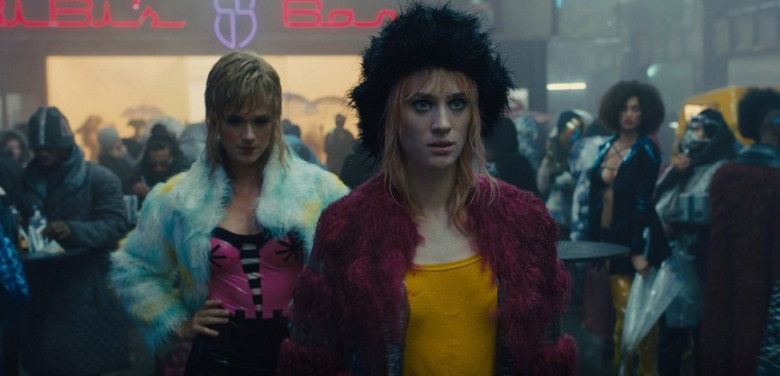
I have just one more gripe, related to casting. Now, the lineup is almost impeccable: Olmos, Bautista, Wright, Baby Goose, Abdi, Hoeks, Leto, etc. My dismay is due to the underuse of one Mackenzie Davis. When charging through the crowd in that first trailer – she was terrifying. I’d hoped she’d turn out to be at least the equivalent of “Pris” from the original. Similar style, similar hair, similar foreboding sense of “would she date me?” Ultimately, she is almost tragically absent for the rest of the movie, bar one fleeting group shot and a virtual sex scene for the ages.

“Many is the night I dream of cheese”

It’s great fun to imagine that, while my 9-year old adolescent pea-brain was being rocked for all time by Ridley Scott in a shoddy Quebec drive-in, a 15-yr old Villeneuve may have been right close by. It’s a sizeable province, but let me have my moment. Maybe he was just one town over, equally as impressed, but with a destiny tied directly to Blade Runner’s unique and astounding universe.

The Godfather did it, as did Jaws and Aliens. Specifically, those franchises saw an eventual sequel which surpassed, or at least lived up to, the original. Blade Runner 2049 will likely be remembered as a sci-fi classic, and I could not be more relieved. In closing: Denis, nous sommes fiers de vous.

What does snow symbolize in Blade Runner 2049?

The weather in Denis Villeneuve’s universe isn’t set dressing. It’s a thematic anchor. In Ridley Scott’s 1982 original, relentless acid rain washed away the artificial tears of dying replicants. By 2049, the climate has collapsed further into toxic snowfall – but the meaning of snow in Blade Runner 2049 shifts from environmental decay to something more personal. A question of authenticity.

To feel the cold bite of snow on your skin is to experience the physical world. It’s the test of what’s real.

CharacterInteraction with SnowWhat It Means
Officer KSnow melts on his hand as he dies on the steps.He’s synthetic, but his experience of the world is genuine. The snow doesn’t pass through him.
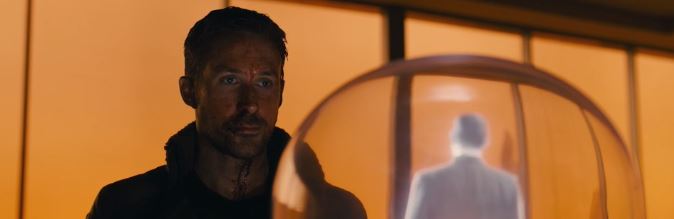
JoiHolographic snowflakes hesitate on her skin, then pass through.She wants connection. She can’t have it. Her upgrade gives her a partial field – not a body.
Dr. Ana StellineCreates synthetic snow memories inside a sterile lab.The only “real” born child is entirely cut off from the physical world she recreates.

Irony: The synthetic replicant bleeds out in real snow. The human child manufactures fake snow from behind glass. Villeneuve doesn’t tell you which one is more “alive” – he just puts them side by side and lets you sit with it.

On my second watch – and the third, and the fourth – the snow symbolism in Blade Runner 2049 becomes impossible to unsee.

Tears in rain vs. tears in snow

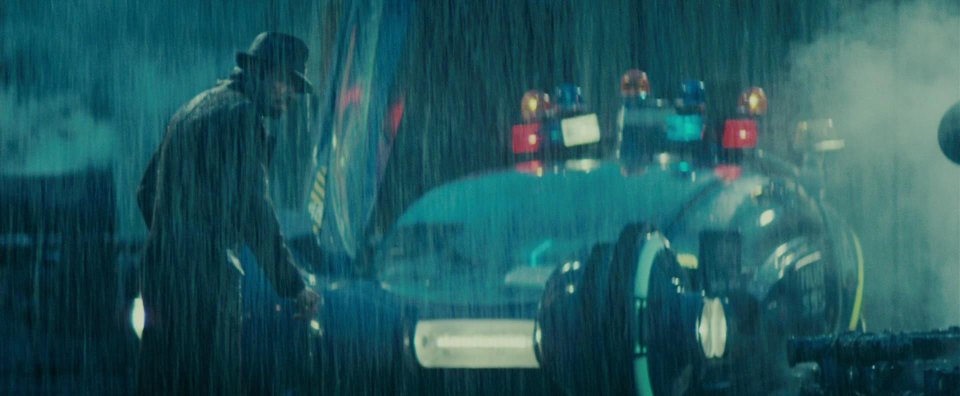
Roy Batty died on a rainy rooftop in 1982. Officer K bleeds out on snowy steps in 2049.

The parallel is not subtle. Villeneuve wants you to see it.

But the two deaths couldn’t be more different in meaning. Batty fought for more life. He crushed skulls and shoved nails through hands to get it. His “tears in rain” monologue – those 42 words Rutger Hauer partially improvised on set – was a lament for experiences that would be lost. Attack ships on fire off the shoulder of Orion. C-beams glittering in the dark near the Tannhäuser Gate. All gone.

K takes the opposite path. He stops fighting for his own survival. He sacrifices himself so a father can meet his daughter for the first time. When K looks up at the falling snow, he’s not lamenting lost time. He’s accepting his choice.

Batty died a machine grasping for humanity. K dies a man who already found it.

And the musical cue Zimmer plays as K lies back on those steps? It’s “Tears in the Rain” from the original Vangelis score. Not a coincidence. Not even close. The blade runner snow ending is the direct spiritual successor to the rain ending – same emotional weight, different weather, different conclusion about what it means to be alive.

Does K die at the end of Blade Runner 2049?

Yes. For fuck’s sake. YES.

Officer K dies in the snow - Blade Runner 2049 ending scene

K dies on the snowy steps outside the Stelline facility. He took a knife wound to the abdomen during his fight with Luv in the ocean. He was bleeding out the entire time he walked Deckard to the door. He knew it. Deckard probably knew it too.

Blade Runner 2049 FAQ

What does snow symbolize in Blade Runner 2049?

Snow in Blade Runner 2049 represents the physical sensation of being real. Where Ridley Scott used acid rain as an indifferent backdrop to Roy Batty’s death, Villeneuve uses snow as a test of authenticity. Officer K feels it melt on his hand as he dies. Joi’s holographic snowflakes pass through her. Dr. Ana Stelline manufactures it from behind glass. The snow doesn’t lie about what you are.

Why does Blade Runner 2049 end in snow?

Officer K’s death in the snow is a direct visual callback to Roy Batty dying in the rain in 1982. Villeneuve designed the parallel intentionally – same visual grammar, different emotional conclusion. Batty died grasping for more life. K dies having chosen to give his up for someone else. The snow is the punctuation on that distinction, and Zimmer’s use of the original Vangelis “Tears in the Rain” cue over the scene makes the connection explicit.

Does K die at the end of Blade Runner 2049?

Yes. K dies on the snowy steps outside the Stelline facility from a knife wound sustained during his fight with Luv. He was bleeding out the entire time he walked Deckard to the door. The film doesn’t show his eyes close, but Villeneuve has confirmed in interviews that K’s story ends there. His death is framed not as a tragedy but as a choice – the thing that, more than any implanted memory, makes him real.

What is the Treasure Island reference in Blade Runner 2049?

When Deckard first encounters K in his Las Vegas hideout, he greets him with a line from Robert Louis Stevenson’s Treasure Island: “You mightn’t happen to have a piece of cheese about you, now? Would you, boy?” It’s spoken by Ben Gunn, a sailor marooned alone on an island for three years, dreaming of cheese. Villeneuve uses it to signal that Deckard, like Ben Gunn, has been living in isolation so long he’s half-mad with longing. K recognizes the quote. Deckard says: “He reads, that’s good.”

What is the “tears in rain” monologue in Blade Runner?

The “tears in rain” monologue is Roy Batty’s final speech in the 1982 original, delivered on a rainy rooftop moments before his death. The most famous lines – “All those moments will be lost in time, like tears in rain” – were partially improvised by Rutger Hauer on set. It is widely considered one of the greatest death scenes in cinema history, and Blade Runner 2049’s snow ending is its direct spiritual successor.

Is Blade Runner 2049 worth watching if you haven’t seen the original?

Yes. Villeneuve designed it to function as a standalone film and the world-building is self-contained. That said, the emotional weight of the snow ending, the Vangelis callback, and the significance of Deckard’s return all land considerably harder if you know the original. Watching the 1982 film first is not a hardship.

The film doesn’t show his eyes close. It doesn’t need to. The Vangelis callback, the snow accumulating on his coat, the stillness – it’s the same visual grammar as Batty’s death. Villeneuve confirmed in interviews that K’s story ends there.

But his death isn’t a tragedy. K chose this. He chose to protect the secret of Deckard’s daughter. He chose to die for something bigger than his own survival. That choice – more than any implanted memory of a wooden horse, more than any baseline test result – makes him real.

{ 0 Comments }

5 Vampire Movies That Suck the Delicious Virgin Blood Out of “Twilight: New Moon”

by admin on October 31, 2015
in Movies

Update: I originally posted this in November 2009 but am digging it out again as it’s decent, no one remembers it and I didn’t have time to get anything fresh together for Halloween 2015. Do you like the vampire films? Then please read on – you may find one you’ve missed.

Up and coming comedian, Bo Burnham, made a joke via Twitter two days ago that has stuck with me and induced chuckles ever since.

@boburnham: i cannot wait to see the next instalment of twilight. apparently, the real weakness of vampires/werewolves is shirts.

shirtless-twilight-boysEdward & Jacob only thought they had their respective weaknesses figured out.

Transylvania 90210, as I’ve decided to refer to New Moon for our purposes, premieres tonight across the universe and has set ticket pre-sale records that have left Spiderman and Lucas in the dust. It’s easier for me to believe that Vampires actually exist than to get my head around the popularity of these books and movies. Yes, I watched Twilight. In between shots of Kristen Stewart biting her lower lip in angst there was some semblance of a vamp tale. For many young people (girls), however, this will be their introduction to the rich lore of the fanged ones and that’s a frightening thought.

As a potential remedy that no one will pay any attention to, here are my 5 favorite batty flicks, and I’m hoping the legions of Mullen and Black fans get around to watching them before being forever convinced that the undead won’t kill you if only you have a secret crush on them.


Jerry Dandridge makes Edward Mullen look like Louis Skolnick

5. Fright Night: Yes, that Fright Night. Second only to Road Warrior on my “films to rent for sleepovers in the 80s” list, if you haven’t revisited it since legwarmers were in style – do yourself a serious favor. Chris Sarandon was born to play the slick vampire that moves in next door to Charley, creating a Disturbia sort of surveillance situation that leads less towards house arrest anklets and more towards exploding heads. Currently being blessed/cursed with the remake treatment. Hopefully not starring Robert Pattinson.


Swedish Girl Guides sell those little red fish door-to-door. Then fucking kill you.

4. Let the Right One In: This incredibly well-conceived, original and terrifying pool scene is the tip of the iceberg. I hadn’t even heard of this movie (it’s a Swedish film released only last year) until I started thinking about this article last night. I quickly downloaded it and can see why it has garnered such a fast vamp-fan appreciation. Uber-violent Stockholm romance with lots of children thrown into the mix as a bit of a differentiator. As for the title, watch the above clip and see if you think the little boy might have possibly just let the “wrong” one in. Come on – the Swedes have had it easy for a long, long time. It’s nice to see some bloodsuckers thrown into their fish-eating midst.

High on the list of nightmare-inducing movie scenes from my childhood.

3. Salem’s Lot: This Stephen King-authored spookfest was originally a TV miniseries, so when you plop down in front of the DVD release you’ll know why it clocks in at a whopping 3 hours. Directed by Tobe Hooper of Texas Chainsaw Massacre fame and starring Hutch (David Soul) the parts are better than the whole. James Mason is excellent in one of his last roles and I double dog dare you to find a scarier vampire movie scene than this spectre of a boy scraping the pane with his undead little fingernails (shudder).


“Gimmie a couple shots of whatever donkey-piss you’re shoving down these cocksuckers’ throats.”

2. Near Dark: The most underrated and overlooked film on my short list came out in 1987 to minimal applause, but has since evolved into cult status and holds a place near the top of every other “best of vampire” film list you’ll be able to find. Bill Paxton had made Aliens only the year before, and a little bit of Hudson spills over into his likewise over-the-top (and likewise no less awesome for it) portrayal of Severen. In spite of his mullet, Lance Henrikson personifies evil as Hooker and the above scene might just inspire you to head down to your local, get drunk and start swinging. Or dismembering.

The absolute pinnacle of nightmare-inducing movie scenes from my childhood.

1. Nosferatu: My preadolescence was a worse place for having accidentally run across this absolutely horrifying movie on PBS one Sunday evening during my 6th year on Earth. I’d be dreading the dark long before the street lights came on as a result. My cowardice is somewhat vindicated, however, because Count Orlock is no less terrifying to this day. Not bad for a movie that’s barely a fang shy of 90 years old. Also excellent in its own right is the 2000 film Shadow of the Vampire which imagines made-up funny and frightening events during the filming of Nosferatu. Casting Willem Defoe as Orlock probably saved the production thousands on makeup.

These are my personal favorites when it comes to blood-suck-fests, so don’t burst a vein because I left off Horror of Dracula or Lost Boys. Turn your dark side into lemonade, or something, and list your own favorites in the comments below. Happy New Mooning.

{ 6 Comments }

Is SPECTRE a Masterpiece?

by admin on October 24, 2015
in Movies

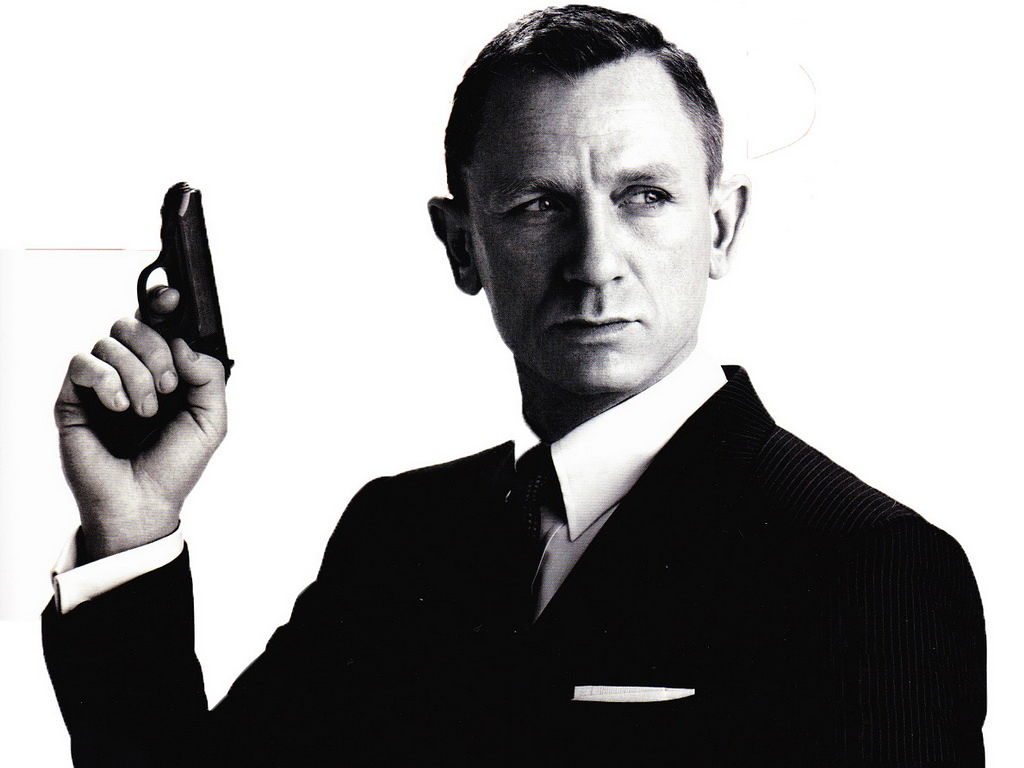
Let’s conveniently ignore the fact this blog has been dead for the better part of half a decade and get right back into the swing of things. I’ve yet to read an even mildly skeptical review of the 24th James Bond film, SPECTRE, and so my Autumn is officially made. The RT rating is 84%, so obviously bad reviews exist – I’m just saying I haven’t read them. Read on, then, knowing full well that convenient ignorance is as much of a theme here then as tight bespoke suits, vodka-based cocktails and accented villains. And that I’m still likely to die alone.

spectre

The Guardian: “Bond is back and Daniel Craig is back in a terrifically exciting, spectacular, almost operatically delirious 007 adventure – endorsing intelligence work as old-fashioned derring-do and incidentally taking a stoutly pro-Snowden line against the creepy voyeur surveillance that undermines the rights of a free individual.” – Snowden can go fuck himself sideways, but otherwise this is an entirely enticing blurb.

Variety: “The indefatigable agent’s solution, and in turn the film’s, is to get stoically back to work almost as if if nothing had happened, and let the baggage emerge where it may. And while Daniel Craig’s reputation as the series’ sternest Bond stands intact when the ride — rumored to be his last — is over, his half-smile count is higher than usual.” There are better quotes in the Variety review, but I had to pick this one due solely to the inclusion of my favorite word in the English language (see if you can guess). – Personally I don’t mind at all if Idris Elba becomes the next Bond as long as they retain Sam Mendes. Although letting Craig get away would be a tragedy akin to the lovely Vespa drowning in Venice.

What Culture: “One of the most common quarters of praise among all reviews (even the negative ones) has been for the film’s opening shot, a 4-minute single-take tracking shot which sees Bond weaving his way through Mexico’s Day of the Dead festival in pursuit of an assailant. It’s been called “a typically explosive affair” and “an instant all-time greatest moment in the franchise”, with many reviewers agreeing that it contributes to making the pre-title sequence one of the series’ most thrilling.” – Hit the link to see “11 early reactions you need to know”. Shitty Buzzfeed-style headline aside, #7 (there are lots of nods/easter eggs to previous Bond films) excites me to no end. I love that stuff as has been evident in the distant past. I promise to put together a list of those I notice here after actually seeing it. And to maybe shower and leave my house next weekend.

I’ll break down now, as it’s only fair I include one of the few negative reviews that’s making the rounds: “Austin Powers-grade cliches abound. Here is the villain openly inviting Bond to his evil lair for some reason! Here is the villain monologuing his evil plan in detail! Here is the villain attempting to kill Bond in the most elaborate manner possible, instead of just shooting him in the face!” – Your first Bond film, eh? Did you expect him to retire and start teaching kindergarten? The last sentence says it all: “After 53 years and 24 films, is it too much to, ahem, exSpectre bit more?” – I hope you die horribly in a laser-related accident which also involves sharks.

It’s good to be back, if anyone’s still reading, and I look forward to discussing the latest entry in this beloved franchise in a couple weeks with all 3 of my imaginary readers.

{ 1 Comment }

Not a “Bad Date”: Raiders of the Lost Ark is 30

by admin on June 24, 2011
in Movies

Considering yesterday’s unenthusiastic summer movie post – this is uncanny. I just learned, via JoBlo, that Raiders of the Lost Ark was released 30 years ago today. My 7-year-old self hasn’t been the same since.

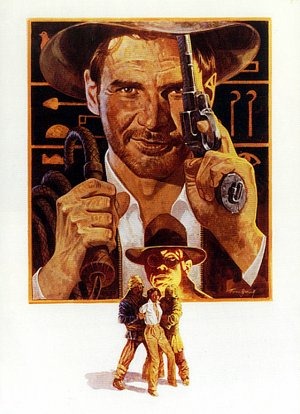
raiders-artIf I were tasked (by someone who was incredibly bored and probably unemployed/smelling of pee) with selecting just one movie to represent my childhood – it would be Raiders. History has been kind to the film – it didn’t exactly get poor reviews on this day back in 1981 (It has a 94% rating on Rotten Tomatoes), but it’s legacy has grown considerably. What began as little more than a fast-paced summer blockbuster (resulting from a Lucas/Spielberg collaboration dedicated to serials from the 1920s) is now heralded as a cinematic benchmark frequently selected by critics as one of the best movies of all time…

  • Just this past March a TV special put together by ABC News and People Magazing voted Raiders the best action movie of all time.
  • In 1998 the American Film Institute voted it #60 on their list of the 100 best American movies, evah. To give context it outranks Goodfellas, Pulp Fiction and Unforgiven. By a lot.
  • It’s #22 out of 250 on IMDB’s list of best flicks.

But forget about established critics and accredited film society thingys for a second. As part of my own personal tribute I’m going to share just a few foggy Raiders memories from my distant childhood:

  1. My father must have also been a huge fan of the film, because he took me to see it 7 times. It’s how we bonded. How we related to each other – and I have no complaints.
  2. I remember him asking his sister, my Aunt Susan, if after seeing it she thought it was appropriate for a 7-year-old. Her exact response was “Well, there’s a little bit of blood, but I think he’ll be alright.” Which brings me to the next memory…
  3. After the first time we saw it, I ran ahead of my father and checked the back seat of his car for mummies.
  4. My friend Adam and I spent countless hours trying to beat the tie-in Atari 2600 video game. 30 years later it is still frequently mentioned as one of the hardest games of all time.

  5. I’d jump at any chance to accompany my Mother to the grocery store in Manotick, Ontario as I was determined to collect each of the 100 Raiders trading cards. After consuming near-fatal quantities of nasty pink-colored gum sticks, I only ever got 99 of them. The elusive card? That bastard, Belloq. And I still have all 99 in a photo album for which I actually won a Boy Scouts “collector’s” badge a couple years later.
  6. My grandmother gave me an Indy action figure during one of her visits, that had a spring-loaded arm which would crack a little cloth whip. I still have it.
  7. One of our neighbors, Terry (whom many years later I would end up working for in England) claimed he knew a guy who had a bootleg VHS copy and if we could organize $100 and two VCRs for the dub I could get one of my very own. Needless to say, he lived to regret telling me that. I don’t think the word “haunting” covers it.
  8. We bought the soundtrack on LP, which I then transferred to cassette, which then became the soundtrack of many backyard adventures, blasted via carefully-balanced ghetto blaster through my bedroom window.
  9. I remember friends and I acting out so many “takes” of the famous swordfight scene that David Fincher and Stanley Kubrick would have said in unison, “Enough already, kid. We got the shot.”
  10. Due to a glaring lack of actual Indy toys in the marketplace, Star Wars stormtroopers and Cobra soldiers frequently stood in for Hovitos, Thuggees and Nazis.
  11. I learned what a Nazi was.

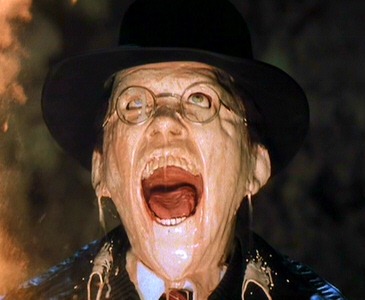
Toht-meltingIf we forget our history we are doomed to repeat it. So in honor of this magnificent anniversary, take time out today and force a 7-year old child to sit through Raiders of the Lost Ark. And don’t let them close their eyes at the end, either. The children are our future, so teach them well and let them watch melting Nazis. Happy birthday, Dr. Jones.

{ 1 Comment }

2011: The Most Jaw-Droppingly Dull Summer Movie Season, Ever

by admin on June 23, 2011
in Movies

Today is the first day of summer and I’m normally geeking out with anticipation over at least one upcoming movie (or seven) by now. This year is definitely different though. I really couldn’t give a flying frick about any of them – and that’s not a good feeling. It makes me long for the summers of my childhood when there’d only ever be one or two huge movies released. I blame CGI for the big-budget overload every year. And Jar-Jar Binks.

It’s a weak, weak year for the summer flick. With only two possible exceptions, as I see it. The first is the reboot of Conan the Barbarian out on August 19th and creatively entitled, “Conan”. When I heard about it a year or so ago, and found out Jason Momoa would play the title role, I was unimpressed. After seeing Momoa on Game of Thrones, however, I warmed up to the idea. After seeing the red-band trailer which was released a few days ago – I take it all back.

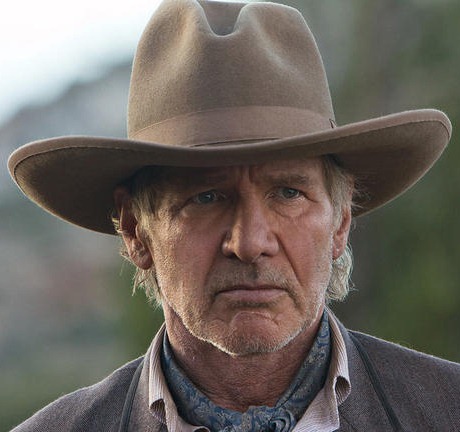
The second is Cowboys and Aliens. I dig Daniel Craig and love Jon Favreau as both an actor and a director. The real reason I’m amped to see the movie, however, is that there’s a direct link back to my summer movie nirvana of yesteryear to consider – Mr. Harry Ford. He’s playing a villain but I will take what I can get in these strange, digitally enhanced times.

Cowboys and AliensThor was a good flick, but its release date on May 6th makes it a stretch for inclusion as part of the season. It’s also unbelievably difficult to get excited about superhero movies anymore. It’s like the little boy who cried “wolf”, but instead of warning villagers about an impending attack by a lycanthrope – he’s just standing up there on the hill beside pastures full of tasty sheep yelling, “Superhero movie! Um, superhero movie! Superhero movie?” The villagers quickly learn that the little jerk is full of shit, possibly autistic, and then stop listening.

The little guy just keeps on screaming: Thor, X-Men, Green Lantern, Captain America – and that’s just this summer. Over the next 2 years we can look forward to no less than a half-hundred-dozen additional Marvel/DC/etc. properties hitting the big screen – Deadpool. Ant Man, another Kickass, another Batman, un autre Spiderman, an additional Superman, one more Wolverine – but in terms of anticipation the queen mother of them all is undoubtedly The Avengers which is due for release on May 4th, 2012. That kid who’s supposed to be watching the sheep is going to be a little horse. I wonder if he also knows a little german?


So, yeah – Hollywood’s current summer movie output is completely overwhelming. This year alone there are about 20 big-budget potential blockbusters shipping in a 4-month period. We have all of the aforementioned plus Harry Potter, Planet of the Apes, Mr. Popper’s Penguins,  Smurfs, Transformers… and I wouldn’t cross the street to see any of them. What about you – seen anything good so far?

{ 1 Comment }

Let’s Immortalize RoboCop

by admin on March 3, 2011
in Movies

There’s always time during a busy day to help endorse a proposed plan to build a statue memorializing the main character of an uber-violent sci-fi movie I saw in a theater my Dad snuck me into in 1987. Always.

This video starring the law-enforcing cyborg himself, Peter Weller, is a slap-happy, nutty goof. The proposed plan to build a statue of RoboCop somewhere in downtown Detroit (where the truly awesome film and it’s far less awesome sequel are set) is not. Initially the Mayor said “no”. Then a surprising number of citizens countered with a resounding “yes”. Then a local businessman took it upon himself to raise $50,000 fricking dollars to see Officer Murphy’s titanium-encased remains immortalized for all time.

With both a healthy budget and positive public opinion behind the idea, which apparently started as a silly-natured Tweet, it’s not up to Mayor Bing anymore. But let’s get back to that businessman for a moment. I’ve since learned via his website, which just happens to be named after the evil corporation which first funds but eventually tries to kill Robocop in the film, that it isn’t his first foray into movie tie-ins.

”What did you do, Ray?!” – Dr. Peter Venkman

Also in Omni’s repertoire of phony products from movies made into the real thing for real world consumers?:

  • Stay Puft Marshmallows from Ghostbusters. Try not to think about them when facing a Gatekeeper of Gozer.
  • Brawndo Energy Drink from Mike Judge’s unsung Idiocracy.
  • Tru Blood beverage from HBO’s True Blood. In case that wasn’t abundantly clear.
  • Sex Panther cologne made famous, of course, by Mr. Brian Fantana in the modern comedy classic, Anchorman.

At first glance, raising money to build a statue of Robocop seems like Pete Hottelet’s nerdtastic labor of love. As I’m sure you’ve realized by now it’s also a brilliant viral marketing scheme. This probably isn’t the first you’ve heard of the statue – it’s been getting a ton of press over the last few weeks and I hope it happens. Because you can’t deny that fact that this actual prototype exudes class…

robocop-statue
"Sign the petition or there’ll be… trouble."

It’s breathtaking, and I’d definitely buy that for a dollar. Though I can’t picture something like this happening in too many other cities – take Boston, for example. No matter how enthusiastically people tried to sell it to the population as “art” it would fly about as far as one of those bronze ducklings. But we’re talking about Detroit here. A place where statues of fictional robotic peace officers, lesser-known Norwegian superheroes and maybe even one (possibly all four) of the Teletubbies will almost certainly raise property values. I don’t have anything against Detroit… I’ve just seen pictures. And that picture was 8 Mile.

{ 3 Comments }

I’m Calling Kutcherbusters

by admin on February 22, 2011
in Movies, Nerdery

Friends, Romans, countrymen. Listen to me very carefully. I was just directed towards a truly awful rumor by my favorite movie blog. Are you sitting down? I mean it. Take a seat, a deep breath and possibly a Xanax before reading any further.

Rumors of Ghostbusters 3 have been as persistent as rumors about the existence of actual ghosts. And now there’s evidence for an even scarier notion: Ashton Kutcher playing one of the leads.

We, as rational human beings and children of the 80s, can never let this happen. Never. Now, I’m not a radical, a bra-burner or one prone to protest. Until my mid-twenties, I thought that “activism” was the company who brought us Pitfall and River Raid. But I’ve got a petition on the brain. Petitions got Betty White on SNL, Jonathan Winters exposed to a new generation of unworthy fans and they can do wonders for a third ancient and long-suffering throwback – the Ghostbusters franchise. And by “do wonders” I of course mean “keep an already risky venture from becoming a guaranteed cinematic disaster the likes of Ishtar or Howard the Duck”.

Editor’s Note: I am a fan of both Ishtar and Howard the Duck. That doesn’t change the fact they shat the bed at the box office and are readily accepted by sheep who’ve never seen them as two of the worst movies of all time. Back to our regularly scheduled nerdery…

kutcherbustersI’m not going to try and act cool or pretend I’m kidding anyone who knows me. I’d love to see a new Ghostbusters film and I’ve even written about it before. It’s going to happen, with or without Bill Murray, and I do not want to see it fail. According to IMDB, some returning stars are already confirmed (Dan Aykroyd, Sigourney Weaver, Harold Ramis) and there are rumors of several exciting new additions (Bill Hader, Anna Faris). And, even though I’m disgusted, concerned and hyperventilating as a result of his Kutcher-related comments in the video above (as playful as they may have seemed), original director Ivan Reitman seems gung-ho for a return to Ghostly glory.

Mr. Reitman, please. Kutcher’s already demonstrated a penchant for dating marrying women dramatically older than himself. Don’t encourage him to whip out his proton pack and take it one sick step further. Busting ghosts might lead to banging them.

I’ll be watching this production carefully, folks. So you don’t have to. Because you have lives. Stay tuned for what might be my biggest topical dork-fest since the leadup to summer 2008’s return of a certain archaeologist. Dare to dream. Alone in bed.

{ 4 Comments }

Friday’s Quizzlet: Uncle Oscar

by admin on February 11, 2011
in Friday's Quizzlet, Movies, Television

Nice to see you again, little Quizzlet. It’s been far too long. I’m making up my own questions this week. They’re deliberately crafted so I can cover a few topics on my mind which might not deserve an entire post. Please take a silly stab at them yourselves in the comments.

dave-kenzieAppetizer: How does it feel to be an Uncle?
Feel free to now think to yourselves, “Wait, THIS doesn’t deserve its own post, jerktard?” Relax. There’s no doubt in my mind that wee Bonnie Mackenzie will feature as prominently on my blog as she will in my life. I’m driving to Jay Peak this very afternoon for a little skiing and a whole whackload of doting. My camera is charging and you’ll be sorry that thought ever crossed your mind when you’re assailed by at least 7 baby videos on Monday. Oh for shame.

Soup: What movie should win the Oscar for Best Picture on the 27th?
I’ve now seen all the nominees except Toy Story 3. I bought it for my friend Mary’s kids but have heard it’s rude to open and watch a DVD before giving it to a child for Christmas. Regardless, at this time in our conversation I feel comfortable giving you my one/two-sentence opinions on the other 9 nominees in descending order of adoration:

  1. The Fighter: I loved this movie, can’t wait to see it again and sincerely hope that it wins. If you haven’t seen this yet, ask yourself, “why?” and then ‘speedbag’ your own breasts/ballsac.
  2. True Grit: I already knew every line of the original 1969 version but the Coens, Jeff Bridges and especially Hailee Steinfeld put thoroughly re-watchable (I’ve now seen it 3 times) fresh spins on the source novel.
  3. Winter’s Bone: The world desperately needed a redneck meth mystery and this one cooked up real good.
  4. The King’s Speech: The cast and director of my predicted winner did this amazing script proud while shedding light on a fascinating royal who’s been all but forgotten by history.
  5. Black Swan: No desire to see it again, didn’t exactly cry when it was over (although I did feel like taking a shower) but Portman deserves the nod for Best Actress.
  6. Inception: Definitely deserves the Oscar for Best Special Effects in a year full of standouts (ahem, Tron) but as a whole this embarrassingly overrated movie bored me. Shouldn’t be nominated in this category.
  7. The Social Network: Enjoyed Fincher’s work here as I always do – but I’m  tired of hearing about this flick and want it to go away.
  8. 127 Hours: Boyle and Franco made an impressive team but in a year already full of worthy contenders this nomination reeks of silly overstuffing as it has no chance of winning.
  9. The Kids are All Right: Gotta call it like I see it here – not that remarkable a film and more overstuffing directly related to Hollywood’s gay marriage fascination popular social themes. 

A quick note on what isn’t on the Academy’s list – I’m definitely not the only person who thinks that at least a couple of films on the above list should have been replaced with The Town. Affleck’s a bit of a douche but he’s definitely coming into his own behind the camera.

Salad: Did Gervais go too far at the Golden Globes?
Are you kidding, Quizzlet? He made watchable an obligatory, self-serving circle-jerk designed to appeal to the foreign press. Next year hold it in fucking Brussels. Any Hollywood heavyweight who shows up for an award show where The Tourist was nominated for best picture with a straight face deserves whatever Ricky dishes out. He’s one of the funniest humans alive and I have been a huge fan of his for over a decade now. Watch him tear Tinseltown’s elite a new one below…

Main Course: Which weekly TV series are you currently geeking-out over?
Glad you asked, Quizzlet. Season 2 of Justified starring Seth Bullock Timothy Olyphant started this week and rest assured that’s a very good thing. Better yet, grab yourself a jar of apple pie flavored moonshine and sit your damn self down in front of the TV next Wednesday at 10pm. But it’s not all redneck’s n’ roses – while one of my favorite new FX series got renewed, the woefully under-watched and underappreciated Terriers didn’t make it off the beach.

Time’s James Poniewozik ranked Terriers at #10 on his Top 10 List of television shows in 2010. The Daily Beast’s Jace Lacob selected the show as part of his top 10 shows of 2010. HitFix.com’s Alan Sepinwall ranked Terriers at #3 on his top 10 list for 2010 as well as #1 on his list of best new shows of 2010. The AV Club ranked it as their number 7 show of the year.

There’s no doubt in my mind FX knows how to market a new show. If I see one more promo for Lights Out or Archer I’ll probably start watching them (who am I kidding – I already do. FX shows rule). I think the network underestimated Terriers and the resulting lack of faith was reflected in the minimal advertising campaign. If there’s any good news, it’s that Terriers had a recurring plot arc which ran in one form or another through the entire 13 episode lifespan. That, coupled with the optimistic and open-ended finale, will make it quite enjoyable as a stand alone season. Seek out a torrent (shhh!) and I’ll post a link to the DVD if and when it’s released. Check out the awesome, cheeky little theme song below. We hardly knew ye.

Dessert: What is the airspeed velocity of a European swallow?
Enough already, Quizzlet. I have some work to finish up and still have to drive to Vermont today. I’ll see all you fresh-faced kids next week.

{ 9 Comments }

Best & Worst Indiana Jones Costumes

by admin on October 30, 2010
in Movies, Nerdery

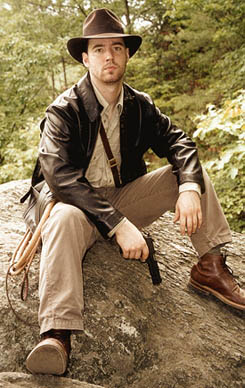
imageI’m dusting off the fedora tonight for a Halloween costume which has evolved and improved considerably since the first time I decided to dress up as Indiana Jones 3 years ago. Granted, I took last year off in favor of a Predator costume – which just so happened to win first prize – but you can’t be Dr. Jones all the time. That would be exhausting. In addition to incredibly sad.

My 2010 additions include: Replicas of the Staff of Ra headpiece, the Hovitos fertility idol and a Sankara Stone all tucked neatly, and extremely heavily, away in a MK2 WW2 gas mask bag just like the one Jr. wears in the classic films. It should be noted that nowhere in said bag does there exist a female date for tonight’s party. Perhaps that didn’t need notation.

I think that if you up the ante considerably with improvements to a “timeless” costume the way I like to with my Indy ensemble it’s OK to wear it every other year or so. If you’re a Halloweenie who likes to stay trendy and in-the-moment, you can go join the undoubtedly enormous group of folks who’ll be dressing up as Snooki and Pauly D. this year. And then fist-pump yourself betwixt the buttocks.

My costume is pretty tight – I mean that in both senses of the word – but I’m not the first, best or worst to have ever donned this adventurer’s gay apparel. I was able to find a few individuals who could, however, rank well at both ends of the spectrum. See if you can tell which is which.

image

Doing Indiana Proud
”Indiana John” founded a great website for the true enthusiast which not only discusses the actual movie props/costumes in great historical detail, but also helps everyday movie-nerds such as myself get their hands on said sacred stuff. His personal costume has the whole look nailed, from the dark brown color of the jacket right on down to the slightly too-high pant legs. I wanna Halloween party with this guy. Just not on one of the years I’m wearing my own walking tribute.


image

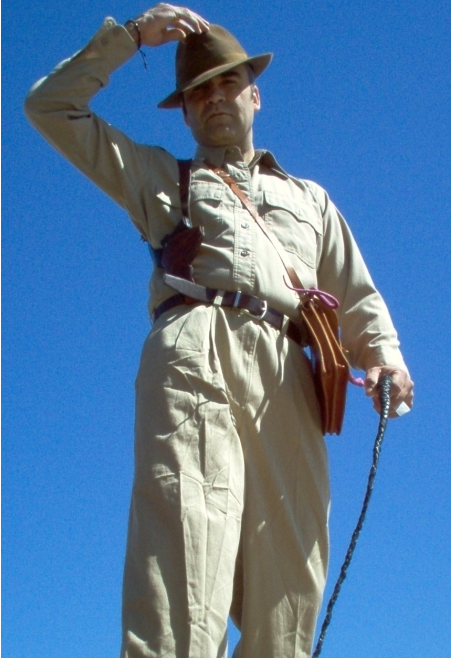
Pleats Release Me
There’s more than a few things glaringly wrong here – the least of which might be the Medic Alert bracelet. Trying to picture a Nazi standing over anyone announcing, “Give him some air – he’s an epileptic!” … just takes me right out of the mood. And the pleats in the wrinkly pants make me think that one of the red dot stops on this guy’s iconic Indy movie map must have been a T.J. Maxx “irregular” bin. Know your history, Mr. George Clooney look-alike, or you’re doomed to repeat it.


image

Something, Something… we Have a Problem
Were this meant to be a Matt Houston costume he’d have my vote for first prize. If Indy had ever been scripted as nipple-tortured by a nymphomaniac member of the Guardian Angels – again I’d be a huge proponent of this guy. As it stands, do your fucking shirt up.


image

A Royal Raider
It looks like Prince Charles decided to complement son Harry’s recent Nazi costume with a little Jones of his own. And look – he finally found a use for that plastic belt he hadn’t worn since 8th grade graduation. I don’t know if that’s makeup on his face or if he was brutally battered on his way in from the parking lot. What I do know is that part of a good Indy costume should be the ability to fight off Girl Guides. Not my favorite example but at least he’s standing next to a sexy Thundercat which is more than I’ll be able to claim.

Play safe this evening, folks, unlike I did a year ago tonight when I totalled my car on the way home from the aforementioned costume-contest victory. Somehow that $25 gift certificate ceased to seem quite as cool when I woke up and saw my mangled whip in the cold light of day. It’s a lot easier to navigate when you’re wearing a fedora as opposed to a giant rubber Predator mask, so I’ve got that going for me in 2010. That’s my story and I’m sticking to it. Somewhere the ghost of Steve McQueen was surely thinking, “A little late on the brakes, kid.” And also very likely, “You’re going to die alone, nerd”. Happy Halloween!

{ 2 Comments }

In Praise of Predators

by admin on July 22, 2010
in Movies

predators-adrian-brody Reactions to this movie have definitely been mixed. I’ve read as many glowing reviews as I have negative. Personally I was very happy with Predators and especially enjoyed the many subtle ways in which it paid homage to the 1987 original. Truth be told, sometimes the nods were about as subtle as “Ol’ Painless” – but I’ll try to cover as many of them as I noticed rather than write yet another opinion piece.

Before I get into the list, which I’m having real trouble naming (“Predator vs. Predators”? “Nods to Predator within Predators”? “I am a Sad Bastard who Needs More Sunlight”? , I feel I should mention how and why this movie got made – and who was the driving force behind it.

Robert Rodriguez, of El Mariachi and Grindhouse fame, is a huge fan of the first instalment and rumor has it was working on his own script for a sequel as early as 1992. He never lost his zeal for the franchise and although he didn’t direct Predators, he produced it and I’ve read that many, many elements of his original idea for the sequel remain intact.

predators-sights“Guys, you seem to have me at a loss here. Anyone seen The Pianist?

Nods to Predator within Predators

  • The jungle setting: Obviously. It’s an alien jungle with some pretty freaky fauna but thick and dense all the same. You’ll notice many shots (light tricking down in streams, people scuttling off leaf-covered dirt hills, etc.) pulled directly from the first movie.
  • The firepower: It ain’t “Ol’ Painless”, and Nikolai ain’t Blaine, but the Russian mercenary has his very own strap-on minigun. “I ain’t got time to bleed.” “Do you have time to sample some of my nana’s borscht?” Also, the tiny twin machine guns carried by Danny Trejo’s character, Chuchillo, are almost identical to the one Dillon was rocking when his arm was sliced off in Predator. I saw Happy Gilmore again recently – what is it with Carl Weathers and losing limbs to creatures with scales?
  • The stand-offish, yawnsville, Latina pseudo-love interest: I’ll always think of her as “the chick from City of God”, but Alice Braga is a passable replacement for Anna – and is a much better shot. Incidentally, her character’s name in I am Legend was… Anna. Fate, perhaps.
  • The waterfall: In the original, Arnold goes over a massive, beautiful waterfall while trying to outrun the monster. In Predators, everyone goes flying off of one. Even though it’s now done with CGI as opposed to an actual stuntman – the camera follows them over and it looks really cool.
  • The mud: Just like Dutch did, Royce (Adrien Brody) covers himself in mud to foil the Predator’s heat-seeking visor. This isn’t an accident. Instead it’s the most direct tip-of-the hat to the first film you’ll see – but divulging more and that point would definitely cross over into spoiler territory.
  • The booby traps: The lethal creations made out of wood, vines, massive stumps and sharpened sticks are a lot more elaborate this time. They’re almost all cobbled together by the self-described “one who got away”, Noland, played to absolute batshit crazy perfection by Lawrence Fishburne. The last time Larry was in a jungle this thick he was helping guide Martin Sheen down a Vietnamese river to kill Marlon Brando.
  • The showdown with a sword: In Predator, Billy strips down, pulls out a giant machete and dares the alien to throw down Indian-style to help the others escape. In Predators the blade of choice is a Samurai katana wielded by Yakuza enforcer Hanzo – to a slightly better result then poor William.
  • Intergalactic taunting: “I’m here! Kill me I’m here!” sounds a little better with an Austrian accent, but Brody too belittles the beast to lure it into a pungee trap, or something.
  • Celebrity Impressions: The first Predator loved to impersonate Sonny Langston’s booming laugh and him saying “over here”. Our new friends do exactly the same thing but seem to have now mastered the dulcet tones of Trejo. See the video below for the great scene I’m referencing before YouTube makes someone take it down. Fuck a trailer.

It’s been a week now since I saw the movie and I also have to get back to my real job. What have I forgotten about? What have I missed? Please let me know in the comments and I’ll gladly update the list.

All of these little tributes to the source material may leave you wondering, homage is toomage? (I was conflicted as to whether or not I should make that joke, but I finally decided to pull the minigun trigger. No regrets). I think most fans, however, will relish them as Rodriguez obviously does.

predators-nikolaiSuddenly, a foxhole in Chechnya seemed a lot more appealing

You may ask yourself, where does 1990’s Predator 2 fit in to all of this? I didn’t hate it, but I’m not sure it will ever fit comfortable into the timeline. It featured 2 more big action stars of the era – Danny Glover and Gary Busey – and was a big budget, big city shoot-em-up where our alien friends descended on an urban environment (just another jungle, wink) to vivisect as many Rastafarian drug lords as they could get their three-pronged fist knife thingys through. It could have very well been called “Lethal Point Predator Break Weapon” and I’ll always remember it for being sampled heavily on Ice Cube’s album from a year or so later entitled, you guessed it, “The Predator”.

“Who is that?”
”Last person in the world you wanna fuck with.”

predators-nikolai-ol-painless I wonder how many copies of that record Adam Baldwin bought back in the day? He probably had a trunk full of CDs to give away to his buddies at parties. “I was sampled by Ice Cube, dudes!” Actually, upon closer IMDB inspection I now realize he was 30 when Predator 2 was made, where as I was 18. I’m obviously living out my own little sampled-by-Cube fantasy through him. So, what’s my excuse now that I’m 36 and writing this? Let’s wrap this up…

If you’re looking for a standard review you can see about a hundred of them over at Rotten Tomatoes which gives it an average rating of 63%. That doesn’t sound too impressive, but if you’re familiar with RT you’ll know that’s a pretty good showing. If you dug Dutch and the boys in the original as much as I did, and were as discouraged by the silly Alien vs. Predators afterbirth, you can’t go wrong here. So go on. Run. Get to the chopper. If only to take you to the theater.

{ 9 Comments }

Praising the Unthinkable

by admin on May 28, 2010
in Movies, Politics

unthinkable-movie-poster When considering all the embarrassing and damnable schlock that ends up on $10-per-head theater screens each and every last one of a given year’s 52 weeks (to the point parents end up having to take out payday loans on the web to keep their kids in Pixar flicks)  I find it tragic when a film of merit ends up banished straight to DVD. The term itself is a condemnation. In the minds of, well, everyone, “Straight to DVD” is actually longhand for “crap”. I was reminded recently that this is not always the case.

It may instead be politics or lack of a studio’s faith in a film’s potential profitability that sees a quality flick cast into the sin bin. It’s big business, after all. I think in the case of 2010’s Unthinkable it was a combination of both. After weighing the options surrounding public political opinion, a million dollar marketing budget and the difficult subject matter – I can’t say the powers that be made a bad business decision. So many will miss this smart, extremely well-written (save for some obligatory explication-type military dialogue), well-acted, gory and thrilling… thriller. Perhaps I can remedy that for a few of you. And if you’re not yet convinced – Superman’s in it too!

We need a synopsis here, but I’ll keep it quick and spoiler-free. Watch the trailer above for more of the the major bulletpoints. An Iowa-born American, ex-military, sends out a video claiming he’s placed nuclear bombs in three major cities set to go off in three days. All the agencies spring into action and converge on a high school gym where Younger a.k.a. “Yousef” is being held and interrogated. Samuel L. Jackson, Carrie Ann Moss and Michael Sheen earn their paychecks. A mysterious professional fingernail-puller, played convincingly by Mr. Jackson, is added to the mix and everyone begins to butt heads. Here’s an example of an exchange which I’m blatantly inventing – but it’s still pretty accurate:

“Don’t torture him! It’s bad. Take the bag off his head, Mr. Abu Ghraib. We’re human beings and Americans. We’re above this barbaric, medieval practice. What’s next – black plague and a jousting tournament?”

“Actually, there’s going to be about 10 million less Americans able to stand around, patting themselves on the back like you’re doing right now if we don’t get this traitorous, bearded whackadoo to tell us where the 3 bombs are in the next 72 hours. So there’s that, Garafalo.”

And… scene. That dynamic is the crux of what I love about this movie. The peacenik FBI agent is horrified that any kind of interrogation is happening, let alone the creative style that Jackson’s “H” brings to the gymnasium. But we also see H as a family man, loving father and generally likeable guy who honestly believes he is doing his duty for God and country. So who is right and who is wrong? To what ends is it reasonable to travel to save lives before we lower ourselves to the level of a terrorist. And is it appropriate for one gym full of people to get to decide for 10 million oblivious citizens who are also one step away from becoming radioactive dust?

unthinkable-movie-2010 The great vengeance and furious anger of Uncle Sam

I mentioned the quality of the writing before and Peter Woodward (son of Edward “The Equalizer”) has crafted a story which bucks the political drivel we’re used to being spoonfed by Hollywood and will cause you to have to think hard about how much is too much. Alternately, if you enjoy being spoonfed might I suggest Matt Damon in Green Zone which deserves to have a sin bin all to itself – which is then steam rolled like a pile of post-Pope picture tearing Sinead O’Connor DVDs. And then doused in kerosene. And then set ablaze. With Matt Damon strapped down, also inside of the bin. So yeah, really fucking hated Green Zone.

I implore you to seek the Unthinkable out and watch it. Watch it all the way through until the last second before the credits roll. You may find your usual moral high ground highly unstable in those final moments. It’s a smart, engaging and challenging film which deserves a wider audience. And thus ends my popcorn Jihad.
{ 11 Comments }

Repo Men: Uber-Violent Sci-Fi Smorgasbord

by admin on March 30, 2010
in Movies

repo-men-poster

"For a price, any organ in your body can be replaced. But it can also be repossessed."

I’m starting to like Jude Law more and more these days, and it’s not because I’m taking a cue from yesterday’s announcement by Ricky Martin. Maybe it was his hilarious turn on Saturday Night Live earlier this month. Might have been my recent re-appreciation for Cold Mountain. Could be his breathtaking buttocks – I’m not sure. Where was I… Jude, Forrest Whitaker and Liev Schreiber lead the cast of Repo Men – a decent sci-fi action flick unapologetically cobbled together from memories of far superior works.

I’ll clarify that statement in a way which the most distinguished of laymen will appreciate: If the reanimated corpse of Phillip K. Dick somehow managed to impregnate itself using a turkey baster found in James Cameron’s curbside trashcan, the resulting butt-baby would be Repo Men’s second cousin. It’s like Blade Runner, Children of Men and The Harvest were dropped in a blender with a cow liver repossessed from a failing Denny’s. You know what… I’m going to stop right there before this gets silly.

“The Union” is a company which manufactures artificial organs and other body parts which are then sold to the everyman at extortionate prices. “You owe it to your family. You owe it to yourself” is a popular sales phrase. If you fall more than 90 days behind in your payments, said organ is usually repossessed by Union employees (ex-soldiers, tough guys and general scumbags) who come to your house in the middle of the night and literally cut it out of you. If the part was vital – say a heart – you’re left on the floor to die. This is all, apparently, perfectly legal in this vision of the future. The head Repossessor, Remy (Jude Law), leads the charge and from the number of pink slips (commissions) he and his partner, Jake (Whitaker), collect you’d think them both very wealthy men in no danger of disillusionment.

“Hey Jude. Don’t be afraid. Ever seen The Crying Game?”

Inevitably it all goes kidney-shaped as these plots tend to do and square-jawed Jude ends up on the wrong side of the scalpel. Despite several offers from his employers he seems intent on changing his ways and, in doing so, getting himself into a whole heap of trouble. Is it for love? Conviction? Because he read Who Moved my Cheese? To be honest I have no bloody idea. And, on the subject of bloody, you might as well throw a laserdisc copy of The Texas Chainsaw Massacre into the aforementioned blender too – because this flick makes Tobe Hooper look like Hans Christian Anderson.

Law’s motivation for throwing off the Union’s yolk, hanging up his taser and risking life and limb for his fellow debtors isn’t very clear unless you’re paying close attention. He makes a fast 180 – from repo/killing machine into blubbering sissy who can’t even make the first incision – in seconds. Potential spoiler: did the electric shock whack his morals back into place or is he raging against the Union because not only did they force one of their hearts into him, it was their faulty equipment that made the transplant necessary in the first place? The defibrillator-related plot twist at the end doesn’t help because it’s new information that couldn’t have affected his earlier motives. Actually, maybe simply paying attention isn’t going to help you here.

judelaw_repomen“What’s my motivation?” Deleted scenes shouldn’t always be so.

I also wasn’t on board with the speed in which he went from being the company’s #1 Repo Man to just another “job”. It’s literally minutes. He’s the employee to which all others aspire and then suddenly, in the space of a few edits, he’s suddenly broke, almost 90 days behind in his heart payments and about to be rubbed out by all of his best friends. I expect this movie was edited for time and momentum because it felt like necessary narrative progression was skipped –  I doubt you could even see the cutting room floor.

The romance is also rushed. One fleeting glance in a crowded bar leads to Law undertaking a multiple-day detox on a less-than-pretty woman who looks like she was just shat out of an elephant. Maybe I should wrap this review up, because the more I think about the film’s drawbacks the less I’m liking it. Still, despite its potholed plot and unsubtle influences I enjoyed Repo Men – just understand what you’re in for. It’s going to make a lot more sense if you wait to see it on DVD with what I am assuming are about 157 deleted scenes. And if you accidentally rent or Netflix Repo Man instead… you’re probably better off. I give it 2.5 repossessed spleens out of a possible 5.

{ 0 Comments }

Wednesday Wadio: Jeff Bridges’ ‘Brand New Angel’

by admin on February 24, 2010
in Movies, Musical, Wednesday Wadio

Crazy Heart is a bit schmaltzy. A bit sappy. The May-September romance between Jeff Bridges and Maggie Gyllenhaal is tough to buy into. Colin Farrell as the biggest country star in the world (and the hideous accompanying ponytail) is even tougher. Someone slap that casting agent on the back of the hand and make them work at the WB for a year as punishment. But the film’s music, oh the music.

I am a fan of “Classic” country but don’t give the time of day to “New” country. My opinions have been solidified in this respect having lived the last 2.5 years in rural Canada where I cringe every time one of the local 20-something girls stumble towards the jukebox at Duck’s Roadhouse. The songs on the Crazy Heart Soundtrack are new in the real world, but are meant to be the protagonist’s old standards in the realm of the film. And they sound old, and they’re awesome.

Leonard Cohen meets George Jones meets The Dude.

My favorite is “Brand New Angel”, a very sad, mournful song as you would probably expect after contemplating the title for a split-second. Someone has died, hence… right. The chord progression, minor/major back-and-forth coupled with Bridges’ own solid, booze-soaked vocals make for a real unexpected treat. It could just as well been called “The Whiskey Waltz” and kicked off a 30-year-old Kris Kristofferson record. Written by Greg Brown, the song accurately reflects the musical influences producer T-Bone Burnett suggested Jeff Bridges draw from when developing the character:

“In fleshing out Bad’s background, it was decided that his influences should extend beyond the country genre and that he should have an eclectic taste in music. T-Bone made a wonderful graph for me of the music that Bad might have listened to. Leonard Cohen was one of the guys we thought of.” – Jeff Bridges

jeff-bridges-crazy-heart Have a listen, see what you think and then seek out the movie. It gets a solid ‘B’ from little old me. The quality of the toe-tappers, coupled with Bridges’ convincing turn as the wedding and world weary Bad Blake, ensure you’ll be glad you did, partner. The soundtrack also features performances by Colin Farrell and Robert Duvall – and you can purchase an MP3 of "Brand New Angel” or the whole shebang right here: Crazy Heart: Original Motion Picture Soundtrack (Deluxe Edition) .

I wouldn’t be upset if Jeff beat out Jeremy Renner for best actor, and it’s definitely going to come down to the two of them. Morgan Freeman did little more than a great Nelson Mandela impression, Colin Firth is Colin Firth. Clooney’s performance in Up in the Air is as inexplicably overrated as the film itself. If Ryan Bingham and T Bone Burnett, who produced the soundtrack and composed “Weary Heart”, (the official theme from Crazy Heart and another solid tune), lose out to Randy Newman – I’m liable to swig back a fifth of Wild Turkey and find a truck stop waitress to impregnate/beat mercilessly. No one wants to see that happen, Academy of Motion Picture Arts and Sciences, so do the right thing.

{ 0 Comments }

And the Boston Accent Award Goes to…

by admin on February 2, 2010
in Boston, Movies

One of the reasons I thoroughly enjoyed watching Mel Gibson’s new flick, Edge of Darkness, last night was that his Boston accent is frickin’ impeccable, dood. I mean it – you’d think he grew up on East Broadway as opposed to Sydney, Australia. I for one am glad the Gibber is back after a 7.5 year acting respite which was undoubtedly due to his drink-driving and comments about the chosen people. Talk about a bad night out. Badmouthing Jews in Hollywood will end your acting career quicker than stink-palming one of the Weinsteins.

martin-sheen-accent-departed The fact that Boston has been a hot movie location for the last few years can not be debated. There are many more Beantown-based flicks in the pipeline, too. That’s probably a separate post but I think we can breakdown the whole accent topic a bit further this evening. There have been some good Boston accents lately – Mel Gibson, Ed Harris (Gone Baby Gone), Alec Baldwin (The Departed). There have been some abysmal Boston accents lately – Tim Robbins (Mystic River), Cameron Diaz (Knight and Day… I’ve seen the trailer. Brutal), and the golden statue for worst Boston Accent evah in a feckin’ film goes to… Martin Sheen (The Departed). By a country mile, bruthah!

Affleck and Dicky school some high falootin’ Hollywood prick.

Am I wrong? What good or pathetic Boston accent attempts can you remember? And if anyone mentions Ben, Matt or anyone with the last name Wahlberg I’m gonna have your head examined for being a frickin’ retaaard.

{ 12 Comments }
Next

Sidebar

Recent Comments

  • admin on Why the “Implication” is TV History’s Darkest Moment
  • admin on Why the “Implication” is TV History’s Darkest Moment
  • Jason Scott Curless on Why the “Implication” is TV History’s Darkest Moment
  • CelebWikiCorner on Defending Gary Busey
  • Monstah on 80’s Music: My Ultimate Top Ten Bestest Song List.

Categories

Copyright © 2026 · Pop Culture Blog: Music, Movie and Humor · All Rights Reserved