• Skip to main content
  • Skip to header left navigation
  • Skip to site footer
  • Home
  • About
  • Movies
  • Musical
  • Television
Pop Culture Blog: Music, Movie and Humor

Pop Culture Blog: Music, Movie and Humor

Leveraging low-hanging synergies outside the vertical fruit box since 1999.

A Mountain Lion Named Steve French

by admin on June 4, 2026
in Television

Updated on 6/4/26: Originally published on September 16th, 2004 – shortly after the episode first aired.

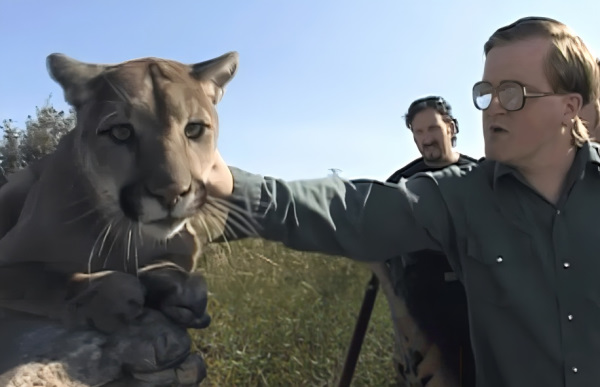
Steve French is the dope-addicted mountain lion from Trailer Park Boys Season 4, Episode 6, “If You Love Something, Set It Free.” For fans of the Canadian mockumentary, this 2004 episode stands as a series high-water mark. It perfectly balances Sunnyvale’s signature absurdity – like Trevor getting assaulted by a cougar high on Viagra burgers – with genuine, earned emotion from Bubbles. DavePye.com breaks down why this specific episode remains a cult favorite, the behind-the-scenes reality of filming with live predators, and why three grown men crying in the woods over a wild animal is the purest distillation of the show’s heart.

Table of Contents

  • The Legacy of Sunnyvale’s Biggest Kitty
  • What Steve French Reveals About Bubbles
  • The Lahey “Shit Abyss” Connection
  • The Accidental Genius of the J-Roc Subplot
  • The Best Rickyisms of the Episode
  • Behind the Scenes: The Real Steve French
  • The Animated Return of Steve French
  • From the DavePye.com Archives: September 2004
  • Frequently Asked Questions

Three grown men crying in the woods over a mountain lion they’ve known for 72 hours. That’s the thing nobody expects from a show about petty criminals in a Nova Scotia, Canada trailer park. The almighty Sunnyvale.

The Legacy of Sunnyvale’s Biggest Kitty

When you ask a hardcore fan to name the best episode of the series, “If You Love Something, Set It Free” is almost always in the top three. Personally, I’d add “Closer to the Heart” and absolutely “Who’s the Microphone Assassin?” to the list.

Steve French’s introduction to the popular culture pantheon currently holds an 8.5/10 rating on IMDB, and publications like CinemaBlend consistently rank it among the show’s absolute best. It’s the episode that defines exactly what the show does better than any other comedy on television: it takes a premise that sounds like a drunken fever dream and grounds it in absolute sincerity.

Season 4 is widely considered the peak of the series. The boys are out of jail, the schemes are intricate, and the character dynamics are fully locked in. But this episode is the emotional anchor of the season.

The setup is pure Sunnyvale. Something is eating Ricky’s dope crop. Bubbles assumes it’s a “Samsquantch,” but it turns out to be a full-grown mountain lion. Naturally, Bubbles doesn’t call animal control. He slaps a choker chain on a 150-pound apex predator, names him “Steve French” – noting the cougar’s markings look like a French Canadian mustache – and decides to wean him off the marijuana.

What follows is twenty-two minutes of chaos. Steve French wanders the park. He eats Randy’s Viagra-laced burgers (intended for Jim Lahey). He develops an inappropriate attraction to Trevor’s leopard-print jacket. But the jokes aren’t why the episode is remembered. It’s remembered for the ending.

What Steve French Reveals About Bubbles

Bubbles’ relationship with cats is the longest-running gag on the show. But Steve French is where the gag becomes something real. Bubbles doesn’t just like cats (he also likes liquor and whores). He sees something in them – a kind of uncomplicated loyalty that the rest of his chaotic life can’t offer. When he looks at a mountain lion and sees a “big kitty” who needs help, that’s not stupidity. That’s Bubbles being exactly who he is.

The brilliance of the episode is how it forces the rest of the cast to meet Bubbles on his level. Julian’s instinct is to get rid of the lion immediately. Julian always sees the angle and the risk. Ricky’s instinct is to panic.

Yet, in the final scene, all three men are standing in the woods, crying as they release Steve French back into the wild. They aren’t mocking Bubbles. They’re mourning with him. That’s the show at its best – characters who are fundamentally self-interested, getting pulled into genuine emotion by their friend’s sincerity.

The Lahey “Shit Abyss” Connection

There’s a subtle layer to this episode that often goes unnoticed. It features one of Jim Lahey’s most famous liquor-fueled rants. Staring down Ricky, Lahey slurs out: “He who looks into the abyss realizes that there’s nothing looking back at him, and the only thing he sees is his own character, Ricky. You understand? Bud? The Abyss? The shit-abyss.”

It’s a direct bastardization of Friedrich Nietzsche’s famous quote: “And if you gaze long into an abyss, the abyss also gazes into you.”

Lahey twisting 19th-century German philosophy into a drunken threat about trailer park politics is the kind of high-low comedy that makes the show brilliant. It elevates the character from a simple drunk to a tragic, over-educated figure trapped in his own failures. Most sitcoms would be content with the physical comedy of Lahey falling over. Trailer Park Boys gives him a Nietzsche reference.

The Accidental Genius of the J-Roc Subplot

The episode also features one of the most elegant pieces of plotting in the entire series. J-Roc is supposed to be in jail, which gives him immense street cred. In reality, he got a light sentence of community service and has been hiding under his mom’s trailer so his manager, DVS, doesn’t find out he’s not actually doing hard time.
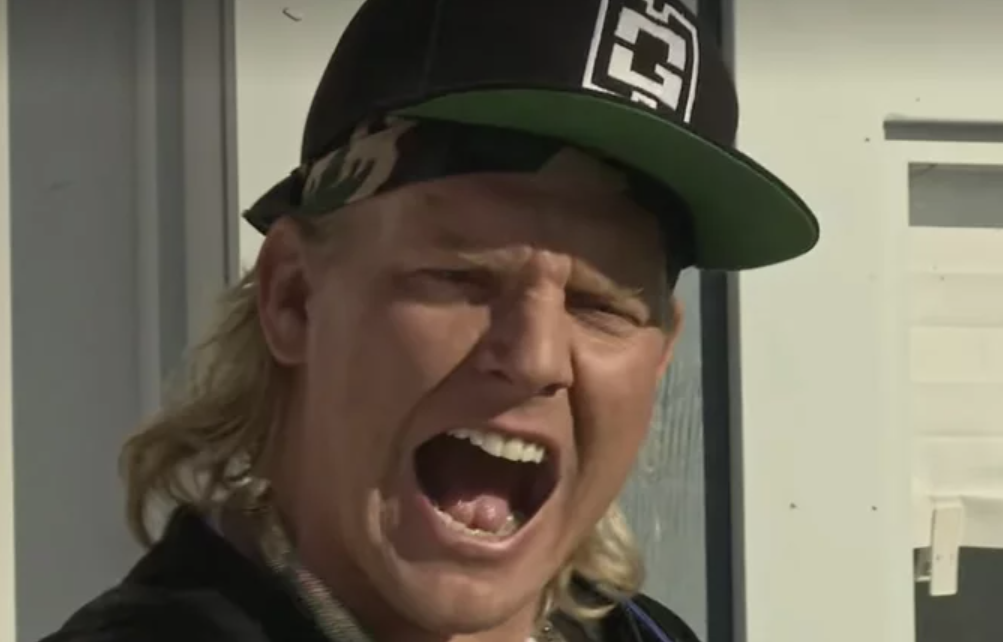
The boys decide the best place to hide Steve French from Lahey is under J-Roc’s trailer. When they shove the mountain lion under the skirting, a terrified J-Roc scrambles out, completely blowing his cover.

It’s a masterclass in sitcom writing. A mountain lion accidentally solves a completely unrelated problem just by existing. It ties the A-plot and the B-plot together without forcing the characters to act out of character.

The Best Rickyisms of the Episode

You can’t talk about a classic episode without looking at the Rickyisms. “If You Love Something, Set It Free” delivers two of the best in the series.

When trying to figure out what’s wrong with the mountain lion, Ricky panics and asks: “What if he has radies?” It’s a perfect Rickyism – he knows the word rabies exists, he knows it’s associated with wild animals, but his brain just slightly misfires on the delivery.

Later, when comforting Bubbles about releasing the cat, Ricky attempts to use the episode’s titular proverb: “If he comes back, it forever was, just like the saying.” It’s completely mangled, but the intent is so genuinely sweet that it works anyway.

Behind the Scenes: The Real Steve French

Filming the episode was considerably more dangerous than it looked on screen. Steve French was actually played by two real, trained cougars named Stoney and Sophie, provided by Creative Animal Talent.

According to Mike Smith (who plays Bubbles), working with the big cats was terrifying. During an appearance on the Roach Approach podcast, Smith revealed that he had some incredibly close calls on set. At one point, one of the cougars reportedly lunged at him, and he was only saved by the handler intervening at the last possible second.

When you watch the episode knowing that Smith was inches away from an actual, unpredictable predator, Bubbles’ nervous energy in those scenes takes on a whole new context. The fear in his eyes wasn’t entirely acting. I wonder how frightening he found Elliot / Ellen Page during her brief stint in Season 1?

The Animated Return of Steve French

For years, fans wondered if Steve French would ever make a comeback. The show answered that question in 2019, though not in the live-action format. In Season 1, Episode 4 of Trailer Park Boys: The Animated Series (titled “The Penis Milker”), Steve French returns.
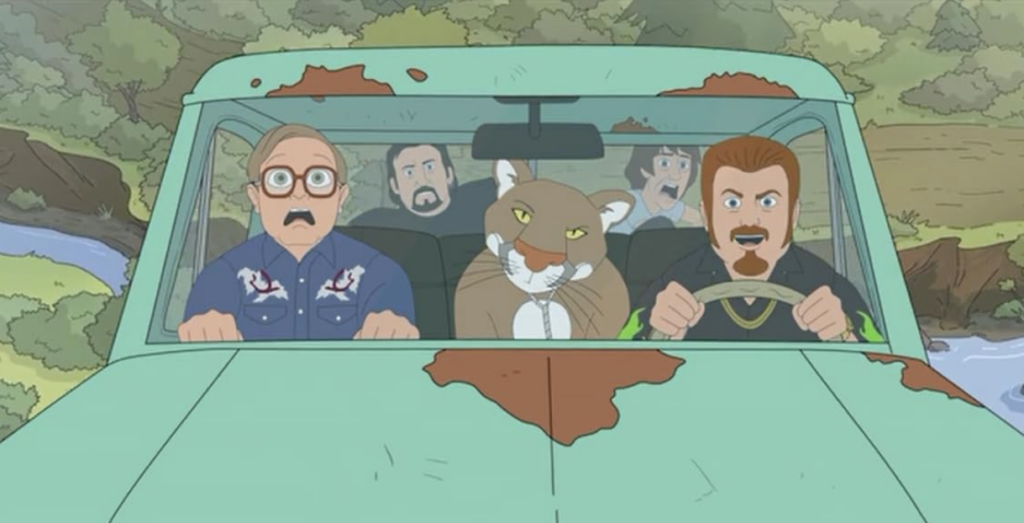
The animated format allows the show to lean fully into the absurdity. Bubbles consumes a massive amount of mushrooms, resulting in a hallucination where Steve French can actually speak to him – complete with a thick French Canadian accent. It’s a surreal callback that honors the original episode and takes advantage of the new format’s lack of physical limitations.

Frequently Asked Questions

1. Who Is Steve French in Trailer Park Boys?

Steve French is a mountain lion who appears in Season 4, Episode 6 of Trailer Park Boys, titled “If You Love Something, Set It Free”. He was discovered eating Ricky’s dope crop and subsequently adopted by Bubbles, who named him after his “French-looking mustache” markings.

2. What Season and Episode Is Steve French In?

Steve French appears in Season 4, Episode 6. The episode originally aired on May 16, 2004 on Canadian television.

3. Was Steve French a Real Mountain Lion?

Yes. Steve French was played by two real trained cougars named Stoney and Sophie, provided by Creative Animal Talent. Both are credited in the episode’s end credits.

4. Why Did Bubbles Name the Mountain Lion Steve French?

Bubbles named the lion Steve French – he thought the markings around the cougar’s mouth looked like a French Canadian mustache.

5. Did the Mountain Lion Actually Attack Mike Smith (Bubbles)?

According to Mike Smith, working with the live cougars was extremely dangerous. He has stated in interviews that he had a close call on set where one of the cats lunged at him, requiring the handler to intervene.

6. Does Steve French Ever Return to the Show?

Yes, Steve French returns in Season 1, Episode 4 of Trailer Park Boys: The Animated Series. Due to Bubbles hallucinating on mushrooms, Steve French is depicted as being able to speak with a French Canadian accent.

7. Is the Steve French Episode Considered One of the Best Trailer Park Boys Episodes?

It’s consistently ranked among the top episodes by fans and critics alike. CinemaBlend ranked it #4 on their all-time list. The combination of physical comedy, the Viagra burger subplot, J-Roc’s street cred exposure, and the genuinely emotional ending makes it a standout in the series.

The Steve French episode aired in 2004. Twenty-plus years later, people are still naming their cats after a mountain lion who appeared in one episode of a Canadian mockumentary. That’s not a cult following. That’s something that was… a beautiful thing.
{ 8 Comments }

Happy Mondays in Barbados – How Recording “Yes Please!” Redefined Debauchery

by admin on March 9, 2026
in

Why did the Happy Mondays record “Yes Please!” in Barbados?

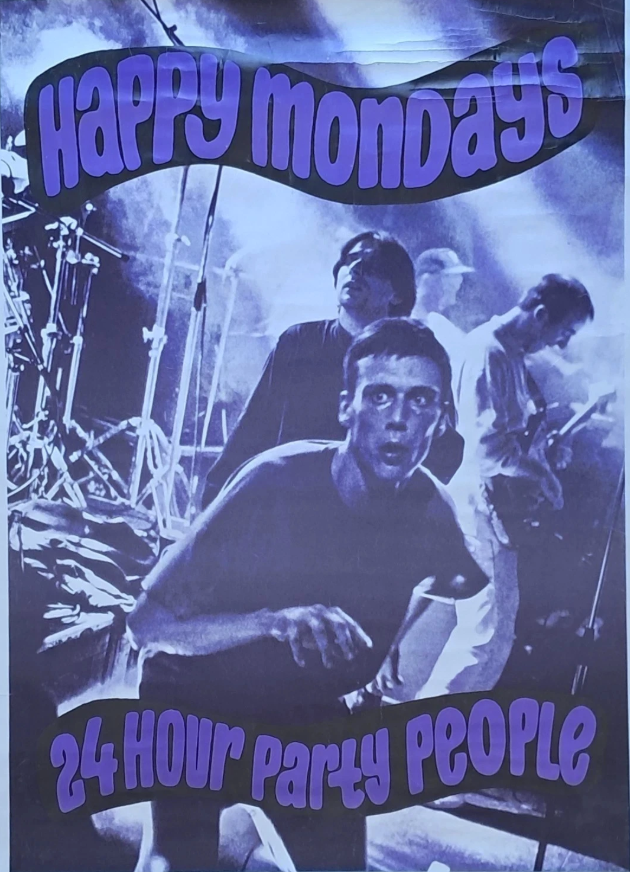
In early 1992, Factory Records sent the Happy Mondays to Eddy Grant’s Blue Wave Studios in Barbados to record their fourth album, Yes Please!. The label, facing financial ruin, hoped the remote location would help frontman Shaun Ryder overcome his heroin addiction. Instead, the band discovered cheap crack cocaine, resulting in chaotic sessions, an unfinished album, and the eventual bankruptcy of Factory Records in November 1992.

The Concord kids were alright

I was there, in the room, when they first played Boston in 1991 – a mere 35 years ago. I remember going with Mike and Jason, the crush of bodies at Citi Club on Lansdowne Street when “Donovan” kicked in as they meandered onstage, that weird mix of mystery and Mancunian menace they carried around like it was no big deal. It would have taken far, far less to impress those three 16-yr-olds from Concord, MA.

The Happy Mondays had a little something special going for them. An intangible little something. Their lead vocalist wasn’t much of a singer. None of the rest of them were instrumental virtuosos. But their timing was just right in terms of the late 80s / early 90s Manchester music zeitgeist.

As dismissive as I just sounded – they put together great songs. To this day, I listen to them all the time. I was and still am a bit of a devotee.

They were a mess, and they were perfect, at the same time. I’d just seen my latest musical heroes in all their glory, walked out of the club thinkin’ I had a decent handle on what that band was: fucking awesome. And maybe extremely fond of the drugs. And not the kind you get at a dispensary in 2026.

Turns out I had no idea.

Last night I was half‑looking for background noise on YouTube and clicked on a video called “Chaos In Barbados: The Final Meltdown Of The Happy Mondays” by the channel James Hargreaves Guitar. James got recent interviews with one of the the guitarists (Mark Day), drummer (Gaz Whelan), and did an amazing job overall patching together that crazy time, and separating the lore from the reality – but the two were synonymous. I was amused, horrified. But most importantly transfixed.

I figured it would be a fun nostalgia piece about a band I already knew inside out and worshipped in my Junior/Senior year of high school. (and, honestly, most of University). 34.5 minutes later I was staring at my screen thinking: how did I miss all these finer dastardly details for three decades? And how are any of them still breathing? Godspeed, Paul Ryder.

I’d heard the “Yes Please!” sessions in Barbados were wild. I did not know they tried to trade Eddy Grant’s furniture for crack.

What follows is me basically trying to process the tale, and a bunch of follow-up research, all the while listening to that record on repeat. The fact it exists at all is… ridiculous.

Leading up to the Barbados ballyhoo

At that Boston show, the Mondays were riding the wave of Pills ‘n’ Thrills and Bellyaches in America. “Step On” and “Kinky Afro” were everywhere. But despite their success, behind the scenes it was getting shaky.

Factory Records – the label that had also discovered Joy Division and (obviously) New Order – was in real financial trouble. They never “did” contracts in a normal way, the bookkeeping was a mess, and they badly needed new records from their marquee acts. New Order delivered during that period, and then some. But the Mondays were due for a brand new banger.

Inside the band, there was another problem. According to Paul Ryder, they only had a handful of half‑formed demos and were nowhere near ready to record a full album. His brother, Shaun Ryder – the lead vocalist and lynchpin – was deep in heroin addiction. The label wanted hits. The band wanted time, coke, and groupies. Hits of another sort. That tension was basically the starting gun for everything that went wrong.

Factory’s answer was what looks, on paper, like a clever idea: take the band away from Manchester and its dealers, fly them somewhere warm, sign them up for yoga classes, and let them focus. They lined up three possible studios – one in Amsterdam, one in a converted church in Manchester owned by pop producer Pete Waterman, and one in Barbados owned by Eddy Grant, (yes, that Eddy Grant) called Blue Wave Studios.

You can probably guess which one the lads picked.

Paradise – with a tiny, crack-shaped caveat

There was logic behind it. Chris Frantz and Tina Weymouth from Talking Heads / Tom Tom Club were producing. Factory set a budget of around £150,000 – already a big punt for a label in financial trouble – and shipped the band, their partners, kids, and baggage out to Barbados in early 1992.

The plan: keep Shaun away from heroin, clean him up, and come back to Ol’ Blighty with a record.

The flaw in that plan revealed itself, post haste. Heroin might not have been easy to find on the island, but crack was cheap and everywhere. Shaun managed to drop and shatter his methadone vials at Manchester Airport before they even left, so he arrived already in withdrawal. Once he figured out how inexpensive crack was there…

Happy Mondays in Barbados

Different sources give different numbers, but the story that gets repeated is that he was smoking somewhere around 25 to 50 rocks of crack a day by “vacation’s” end. At that level, you don’t “have a few issues”. You are… Sean Ryder.

Tony Wilson, head of Factory, later told the story that when he flew in to check on them, he looked out of the plane window and saw Shaun and Bez wheeling one of Eddy Grant’s studio sofas down the road so they could sell it for drug money. A more detailed version has someone caught at about one in the morning with the back doors of the studio open, hauling out two sofas for the same purpose.

Blue Wave, or “how to turn a studio into a pawn shop”

They didn’t just sell his furniture. Eddy was on tour so they had the run of the place. Started selling off his recording gear to keep funding the binge. And they more or less invented a new interior design concept: the poolside crack den. They rearranged sun loungers in and around Eddy’s swimming pool to create an improvised Cabana crack den.

Keyboardist Paul Davis, having recently learned to drive, wrecked three hire cars during the stay, near the drug-buying spots they quickly became acclimated with. Davis also picked a fight with a Calypso band at their initial hotel because he didn’t like their Beatles cover. They were bounced, after which they spread out to a mix of short-term rentals and far seedier lodgings. This hardly helped.

When two of the band member’s mothers came to visit, they were not impressed while listening to what sounded like an orgy going on next door in one of the band’s rooms. All of this was happening while the meter ran on that £150,000 budget. While Factory Records faced going out of business, forever.

Meanwhile, somehow, an album is (kinda) being recorded

In the middle of all of this chaos, the slightly less addled members of the Happy Mondays managed to record the backing tracks. Chris Frantz and Tina Weymouth were living a bizarre Barbados double-life: part serious producers honing arrangements, part reluctant babysitters for a band hell‑bent, like HELL BENT, on self‑destruction.

With Shaun technically present but out of the session picture, the focus shifted. The well-paid glorified minders wrangled and focused and got done what they could with the rest of them: Mark Day on guitar, Gaz Whelan on drums, Paul Ryder on bass, Paul Davis on keys. And Bez was around doing Bez things.

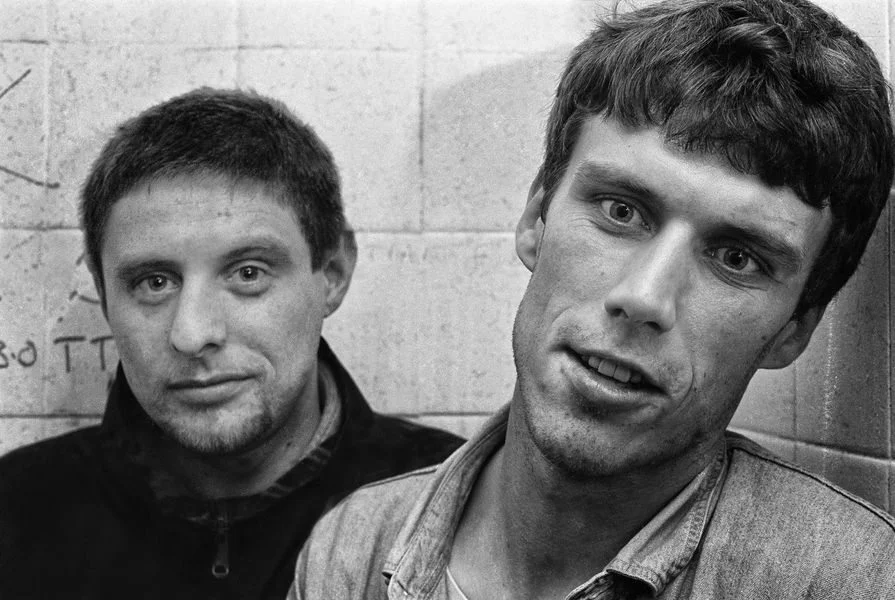
Happy Mondays Shaun and Bez

Speaking of Bez, he personally overturned a rented jeep and stumbled away with a broken arm. He then managed to break the same arm again in an accident while being towed on a floaty device behind a boat, and a third time when his girlfriend sat on it. The fact he can still shake a maraca is its own medical mystery.

By early March 1992, the instrumentals were basically done. The first track, “Stinkin’ Thinkin'”, is tighter and more musically ambitious than people stereotype the Mondays for – the parts are carefully put together. The same goes for “Sunshine & Love” and “Angel”. There is real craft in play.

In the aforementioned documentary, Gaz and Mike said it was their favorite album out of all of them. I enjoyed it in 1993, but all these new details changed how I heard the record when I put it on again today. Not the power of suggestion or anything. A 2026 re-appreciation.

The Missing Ingredient

While the sessions were partially salvaged, there were larger problems. Shaun was too far gone to write or sing. They limped back to England with an unfinished album, and a vocalist who didn’t know his own name.

Tina Weymouth suggested using William S. Burroughs’ cut‑up technique on lyrics to get something on the page – chopping up text and reassembling it to spark lines. It fits the atmosphere in a dark way: the singer is missing in action, so the words are literally coming out of a blender.

Their long-time backing vocalist, Rowetta, whose voice is a huge part of why songs like “Sunshine & Love” even land, had so much stress around that time that she briefly left the band. And she wasn’t even with them in paradise. She did come back, but that near departure by a mission critical band member adds another layer to how fragile the whole thing was. And, while technically the band would resurface in the later 2000s (and beyond), that was the end of their 90s run while in their prime.

My loving, long-term attention to Mondays detail made evident by this exuberant post from 2007. “Deviants” anybody? “In the Blood”? They weren’t done.

Back home, into detox, then straight into a vocal booth

The Happy Mondays were in Barbados, attempting to lay down what became Yes, Please, for about nine weeks. Eventually they limped back to England. The band had songs. Good songs. But no vocals. Just 63 days of crack in the sun.

Shaun went into detox first. Once he was in a better state, he recorded his vocals at Comfort’s Place Studio in Lingfield, Surrey, over roughly two weeks in May 1992. On medical advice, the rest of the band stayed away from the studio while this was happening. It was the polar opposite of Barbados: low‑key, controlled, more about getting something workable than chasing a high.

By that point, Frantz and Weymouth had gone back to the United States. Ray Mascarenas helped see the sessions through on the UK side. Shaun later said he found it hard to connect to the music the others had recorded while he was out of it. He felt detached from it, like he was “walking into someone else’s band and trying to talk over them”. You don’t say…

As far as I’m concerned, likely because I’m not Tony Wilson, the album ended up really, really good. Sean’s lyrics and delivery feel sharp and engaged. You would never guess the vocals were tacked on later, in another country, after a drug spiral, rehab, and the decimation of a rental car company’s entire fleet.

Yes Please! came out in September 1992. Within a couple of months, in November, Factory Records went into administration. It wasn’t the only reason the label folded, but that trip to Barbados was an expensive bet that did not come back with the immediate return they needed.

Who actually likes this album?

One of the more interesting things in the video doc – and in some later interviews – is that the band do not agree on what Yes, Please! even is.
​
​Shaun spent years slagging it off. He called it “not a good album”, said it lacked catchy grooves, and that it “wasn’t the Mondays”. That view has softened over time. In later interviews he has talked about regretting how quickly he dismissed what Chris and Tina were trying to do with them, and that with distance he has begun to apreciate it as strong Mondays canon.

Then you hear from Mark Day and Gaz Whelan in their interviews, and they say Yes Please! is their favorite Mondays album of all.

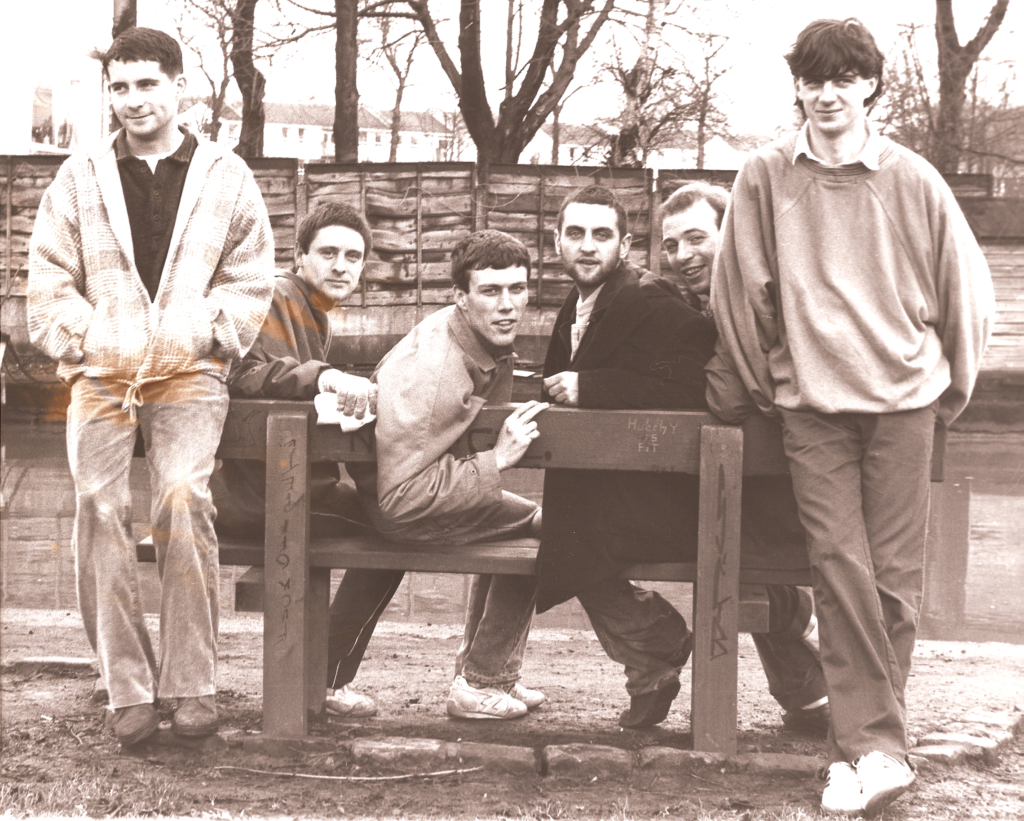
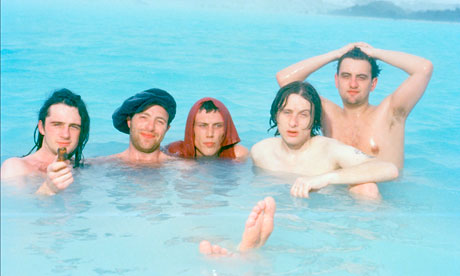
Happy Mondays band in Barbados

Once you have the context, that doesn’t sound odd at all. They were the ones who were present, clear‑headed enough to actually play, and working closely with two people they respected as producers. Paul, too but maybe slightly less so.

They got proper studio time, a serious backing team and budget, and room to stretch out. For a guitarist and drummer, that probably felt like the one time the band was treated like a band rather than just the gang behind Shaun’s chaos. And I’m making assumptions here – but it’s likely the record Gaz and Mike had the most personal influence over.

You can hear that in the playing. The grooves are tighter, the percussion is more layered, the guitar parts are less improvised-sounding. If you were in their shoes, I can see why you would look back at Barbados and think, “That was our best shot in the studio,” even if the rest of it was a rolling disaster.

The little stories that stick

Tony Wilson seeing the sofa go down the road. The band selling off bits of Eddy Grant’s gear. Paul Davis taking exception to a Calypso Beatles cover and starting a fight. The swimming pool crack den. The pile of wrecked hire cars. Linda and Sandra, the mums, thinking they were sleeping feet from a gang bang (they were).

Some of these stories have been told in bits and pieces before – in interviews, in articles, in things like The Paul Ryder Tapes – but the way James Hargreaves Guitar stitched them together, with new interviews, and then hearing the album with all that in mind, made it land differently for me.

Hearing Yes, Please! again, with all this in my melon

After I watched the video, I put Yes Please! on from the start. I realized I had always filed it away as “the messy, later one” and never given it the same attention I gave Bummed.

Is it their best album? Probably not, if you ask the average fan. Pills ‘n’ Thrills and Bellyaches (not my own personal favorite – see Bummed) still has the songs that defined them in the wider world. But Yes, Please! might be their most revealing record. The distance between the thing you hear – and the reckless reality of how it came into existence – is huge.

When I think back to seeing them in Boston, I remember feeling like I was getting the full, uncut Mondays experience. The band that swaggered on television, the band from the videos, the band from the stories – I thought that was all of it. Now I know there was a level beyond that, and it happened in a studio thousands of miles away, under ceiling fans and Caribbean sun, while someone tried to sell a sofa for one more toot.

It’s not like I haven’t heard the record for 35 years. The Mondays have a permanent spot on every new playlist I create (usually one a year) and as a result Spotify is always rocking them based on my history. It is better than I gave it credit for when in the room. I don’t hear it the same way anymore – and never will.

{ 0 Comments }

Why the “Implication” is TV History’s Darkest Moment

by admin on February 5, 2026
in Appalling, Television

Updated on 6/4/26: The “implication” scene from It’s Always Sunny in Philadelphia earned its place as one of the most uncomfortable moments in TV history because it gave a name to something real and recognizable: coercion dressed up as charm. DavePye.com breaks down exactly why Dennis Reynolds’s boat confession lands so differently from the Gang’s usual depravity, showing how Mac’s genuine horror works as a mirror for the audience while Dennis gleefully outs himself as a sociopath. Read on to understand why this single scene reframed an entire character, and why comedy is sometimes the sharpest tool for exposing something truly ugly.

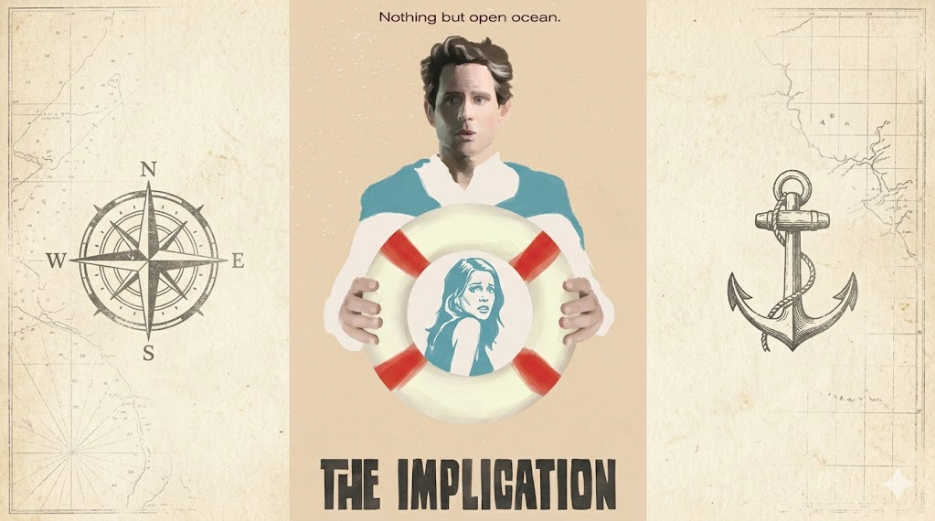
It's Always Sunny In Philadelphia - The Implication

Table of Contents

  • Looking for a breakdown of one of the most uncomfortable scenes in TV history?
    • Many Is The Night I Dream Of P-Diddy
    • When the Floor Drops Out
    • Why This Scene Is a Masterclass in Horror-Comedy
    • The Impact on the Show
    • How It Changed the Character of Dennis Reynolds
    • The Implication – FAQ
    • What is “the implication” in It’s Always Sunny in Philadelphia?
    • What episode is “the implication” from?
    • Why is the implication scene so famous?
    • Did Dennis Reynolds actually do “the implication”?
    • Where can I watch “The Gang Buys a Boat”?
    • What Does All of This Psycho-Babble Mean?

Looking for a breakdown of one of the most uncomfortable scenes in TV history?

Pull up a chair, bud.

I still remember the first time I sat down and really watched It’s Always Sunny in Philadelphia.

I didn’t love Breaking Bad. I didn’t love The Wire. And at that time IASIP was third on the limited list of shit that stupid, unimaginative people had to talk about and recommend incessantly. So, yeah, no.

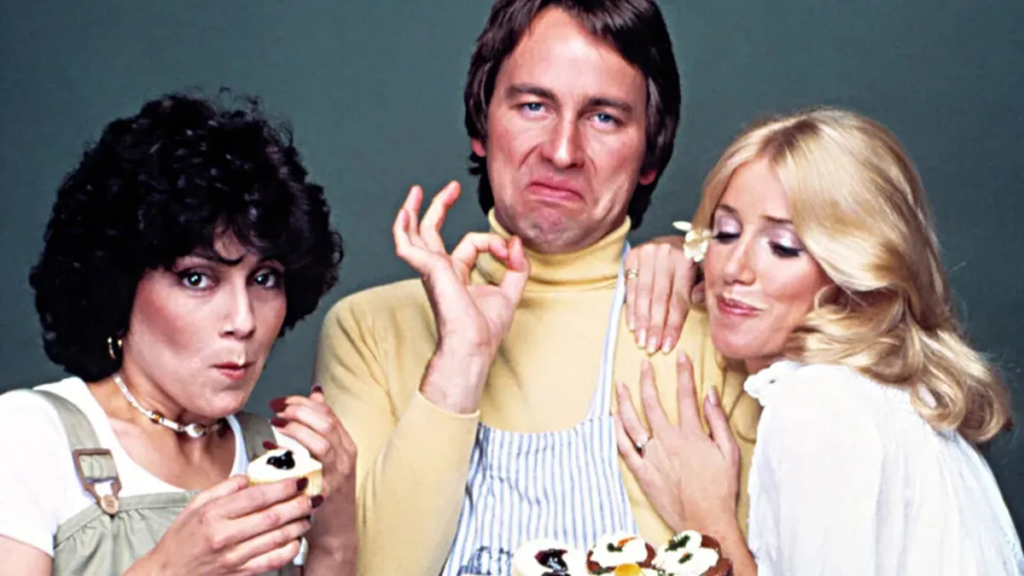
By that point, I’d seen plenty of sitcoms come and go. I grew up on a steady diet of Jack Tripper in syndication. But Sunny felt different – it was meaner and completely unapologetic. I thought I’d seen the Gang hit their ceiling for depravity early on. I’d seen them lock people in burning apartments and hunt a man for sport. I figured I knew the score.

But then came the boat. Then came “the implication.”

There’s a collective “whoa” that happens when a comedy stops being just a parade of idiots and becomes something much darker – and way smarter. It’s a scene that burrows into your brain. It isn’t just a joke; it’s a terrifying character confession. By the Golden God himself.

Jack Tripper had it made.

Many Is The Night I Dream Of P-Diddy

The episode is “The Gang Buys a Boat.” The premise is classic Sunny: flush with $2,500 in unexpected revenue from dicktowel.com – Mac and Dennis’s proudly vulgar merchandise venture – the gang buy a boat to live out some weird, mid-2000s music video fantasy. They want the Sean Combs lifestyle – champagne and the open ocean. And we all know how that ended up for Puffy.

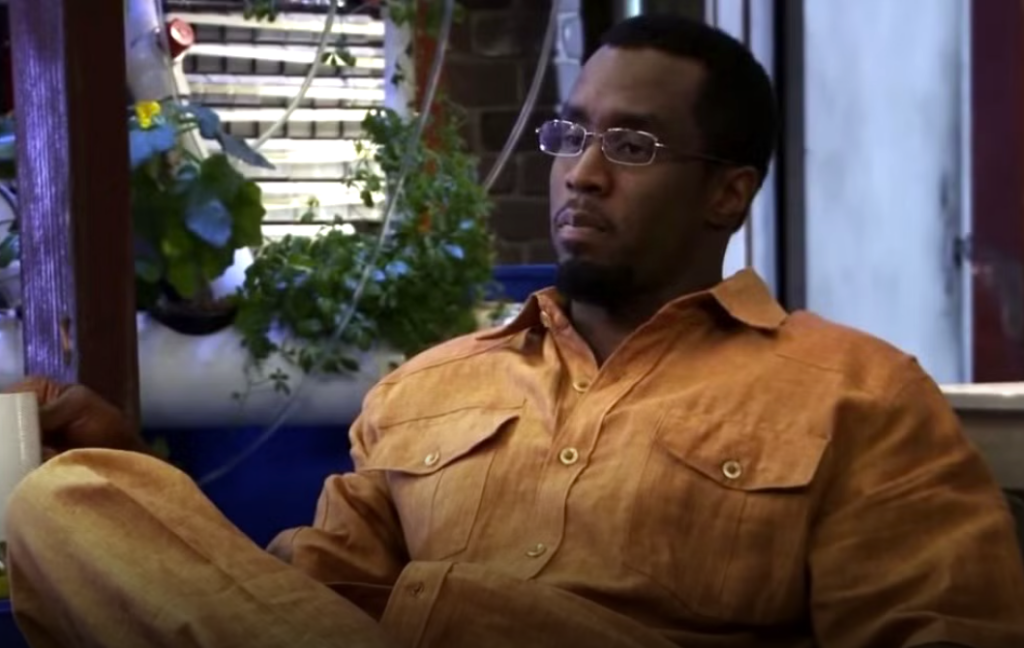
Worth noting: Diddy actually appeared on the show in Season 8, playing a character named Dr. Jinx – a doctor/gardener/bassist – in “Charlie’s Mom Has Cancer.” The show had been using him as cultural shorthand for… aspirational excess… for years. Whether that’s a meta self-reference, a harbinger, or just a coincidence… probably depends on how conspiratorially you’re inclined to think. Either way, it aged … interestingly. Also… way too many ellipses for one paragraph.

Predictably, because they are who they are, they end up with a floating fiasco they name the Paddy’s Wagon. It’s a junker. It’s covered in grime. But Dennis Reynolds doesn’t see a mess. He sees a controlled environment. A palace of opportunity where he holds all the cards.

There’d been warning signs. There’d been glimpses and red flags. But this is one of the first episodes where Rob McElhenney and the rest of the writers start really leaning in on Dennis as a truly… sick fuck.

As he and Mac are shopping for nautical supplies, Mac is still caught up in the surface-level fun – shrimp, parties, and meeting girls. But Dennis has a look in his eye that should trigger an immediate police response. It’s cold. He isn’t thinking about the shrimp. He isn’t considering looking up tomorrow’s weather or current ocean… current… patterns via an AI visibility tool or his iPhone.

“Think about it,” Dennis says, wearing that smug, self-satisfied grin. “We take her out on the open ocean, and we get her nice and tipsy topside.”

Mac is on board at first. He thinks it’s just a standard, if slightly slimy, seduction plan. He thinks they’re just going to be “cool guys” on a boat. Then Dennis gestures toward the cabin. He says that once she’s drunk, he’ll take her below deck to his “lair,” and she’ll have to say yes.

Why?

Dennis Reynolds, The Golden God.

“Because of the implication.”

When the Floor Drops Out

This is where the writing shifts from funny to legendary. Mac’s face falters. He doesn’t get it, or maybe he’s too scared to get it. “What implication?”

Dennis gets annoyed, like he’s explaining basic addition to a toddler. “The implication that things might go wrong for her if she refuses to sleep with me. Now, not that things are going to go wrong for her, but she’s thinking that they will.”

This is where Mac becomes the audience. His confusion turns into genuine, palpable horror. He pushes back: “But it sounds like she doesn’t want to have sex with you.”

Dennis is genuinely offended. “Why wouldn’t she want to have sex with me?”

Then he drops the hammer. He insists he’d never actually hurt anyone. He’s not a monster! But the plan depends entirely on the woman being terrified. If she says no, the answer is no. But the point is, she won’t say no.

“Because of the implication.”

Mac finally, terrifyingly, gets it. “So they are in danger!” he whispers.

Why This Scene Is a Masterclass in Horror-Comedy

Look, Always Sunny is a show about bad people. But this felt different. It gave us the actual philosophy behind the bad acts. Dennis isn’t being chaotic here; he’s being systematic. He’s showing us the “D.E.N.N.I.S. System” before it even had a name.

The horror comes from how clinical he is. Think about the elements he’s manipulating: the open water, the isolation, and the massive power imbalance. He isn’t hoping for a “yes” based on attraction. He’s making sure “no” isn’t a viable option in the woman’s mind. He thinks he found a loophole in basic human decency – a way to get what he wants without technically committing a crime, or so he tells himself.

He’s not threatening her. He’s letting the environment do the threatening for him. It’s the ultimate “coward’s” version of a predator.

Mac is actually the key to why this works. Usually, Mac is just as rotten as the rest of the Gang. But in this moment, he has just enough humanity left to be our anchor. His questions are the ones we’re screaming at the screen. He forces Dennis to spell it out, and Dennis—puffed up with ego—is happy to comply. He thinks he’s showing off his brilliance.

We aren’t laughing at a woman being trapped. We’re laughing at the sheer hubris of a man outing himself as a sociopath while believing he’s the hero of the story. It’s the ultimate self-own.

The Impact on the Show

This scene exploded past the show’s cult following because it gave us a name for something we all recognize but usually can’t describe.

“The implication” is just a catchy name for coercion. It’s what happens when a “yes” comes from fear, not desire. It’s that knot in your stomach when a boss asks you for a “favor” and you know saying no means losing your job. It’s any situation where the power gap is so wide that one person feels they can’t refuse.

Dennis thinks he found a gray area. He hasn’t. He’s just describing assault with extra steps. He thinks that if he doesn’t use physical force, it “doesn’t count.” But the fear is the weapon.

For the show, this was the point of no return. Before this, Dennis was just a vain, slightly delusional pretty boy. After this, he was something much more sinister. This scene recontextualizes everything else he does. When you watch later episodes—his “tools” in the trunk, his “Golden God” rants, his weird obsession with skins—they all snap into focus because of this boat ride. The show was always hinting at a monster. This was the moment the monster spoke.

How It Changed the Character of Dennis Reynolds

If you watch the early seasons of Sunny, Dennis is arguably the most “normal” member of the group. He’s the straight man to Charlie’s idiocy and Frank’s filth. But “The Implication” flipped the script. It suggested that while Charlie is gross and Mac is insecure, Dennis is actually dangerous.

It was the beginning of the Golden God era.

It turned him into a high-functioning sociopath who views human interaction as a series of levers and pulleys. It made him the most fascinating character on the show because he’s constantly trying to maintain the facade of a “cool guy” while the cracks in his psyche get wider every year.

Years later, the scene still works. It’s a masterclass in using comedy to gut something truly ugly. It doesn’t ask you to like Dennis or even to find him “edgy.” It just puts a psychopath on a boat, lets him explain his evil, and makes you watch.

That’s the real genius of Always Sunny. They don’t blink. They show you the monster, they let him talk, and they let the silence that follows do the heavy lifting. Let’s recap…

The Implication – FAQ

What is “the implication” in It’s Always Sunny in Philadelphia?

“The implication” is a term coined by Dennis Reynolds in Season 6, Episode 3, “The Gang Buys a Boat.” It refers to his plan to coerce women into sleeping with him by placing them in an isolated, vulnerable situation – specifically on a boat in open water – so that the implied threat of something going wrong makes refusal feel impossible. Dennis insists no one is actually in danger, but that’s precisely what makes it so disturbing.

What episode is “the implication” from?

“The implication” scene appears in Season 6, Episode 3 of It’s Always Sunny in Philadelphia, titled “The Gang Buys a Boat.” It originally aired on September 30, 2010 on FX.

Why is the implication scene so famous?

The scene became a cultural touchstone because it gave a name to a real dynamic – coercion through power imbalance rather than explicit threat. Mac’s genuine horror mirrors the audience’s reaction, and Dennis’s total lack of self-awareness makes it both funny and genuinely unsettling. It reframed Dennis Reynolds from a vain pretty boy into something far more sinister.

Did Dennis Reynolds actually do “the implication”?

Dennis tests his philosophy again in Season 11’s “The Gang Goes to Hell,” though the show never depicts him successfully executing the plan. The horror of the implication is in the articulation of it, not the act itself.

Where can I watch “The Gang Buys a Boat”?

It’s Always Sunny in Philadelphia is currently streaming on Hulu in the US. Season 6, Episode 3 is available as part of the full series library.

The implication scene gets all the attention, and rightfully so. But it’s easy to forget how good the rest of the episode is. The Frank and Charlie shrimping subplot is classic Sunny absurdism. The dock party – where Mac and Dennis show up expecting a P. Diddy lifestyle and find a group of sunburned men playing poker with a guy who lost his hand to diabetes – is one of the better cold-water-on-expectations gags the show has ever done.

And the boat burning at the end, with the inflatable tube man going up in flames while Dennis and Mac watch their dates walk away, is a perfect visual punchline. The implication is why the episode gets cited in think pieces. The rest of it is why you end up rewatching it three times. It’s one of their best, as a whole.

Episode Quick Facts: The Gang Buys a Boat
ShowIt’s Always Sunny in Philadelphia
Season / EpisodeSeason 6, Episode 3 (60th overall)
Original Air DateSeptember 30, 2010
NetworkFX (now streaming on Hulu)
Written ByCharlie Day & Rob McElhenney
Directed ByRandall Einhorn
Runtime22 minutes
Viewership1.46 million (original airing)
A.V. Club GradeA−
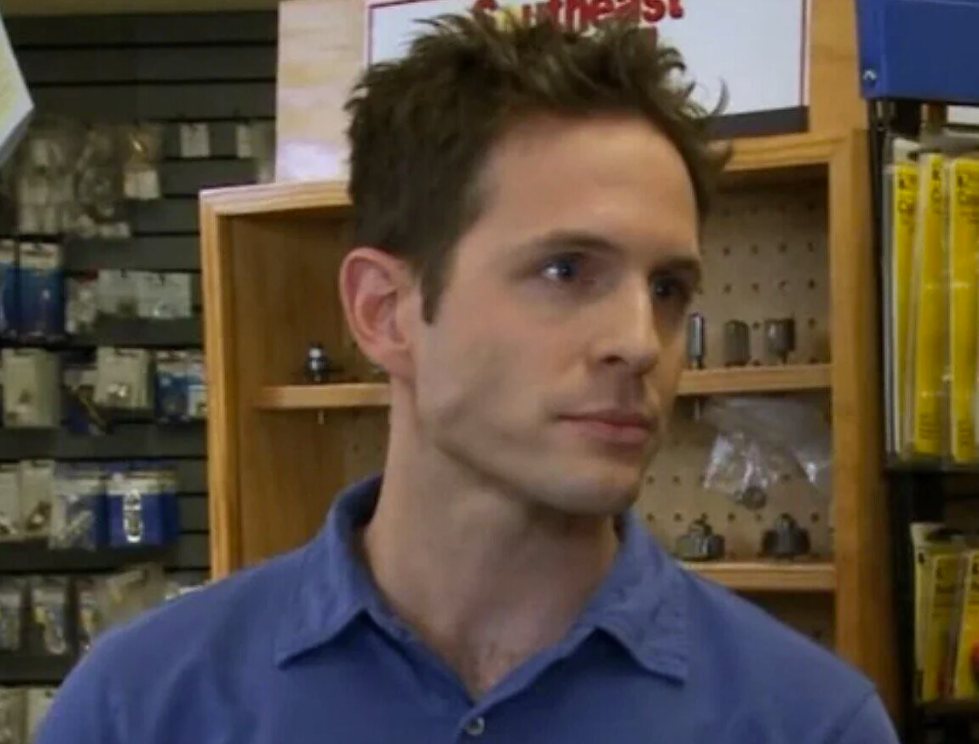
The Scene“The Implication” – Dennis explains his boat seduction philosophy to a horrified Mac at a boat supply store

What Does All of This Psycho-Babble Mean?

Dennis Reynolds didn’t just reveal himself in that exchange with Mac when they were shopping for bumpers or deck-swabbing oil, or whatever. He gave a name to something real – the kind of coercion that doesn’t need a threat because the power gap does the threatening for it. The truly terrifying part isn’t the plan.

It’s that he’s still waiting for Mac to be impressed.

{ 3 Comments }

Burlington, VT: The Seedy Little Tech Hub We Call Home

by admin on February 8, 2025
in Burlington VT, Politics, Whinging

Burlington, Vermont has long been celebrated for its vibrant arts scene, stunning natural beauty, and progressive spirit. Although, as I’ve come to learn since moving here from Toronto in 2012 – that last point isn’t the advantage it may sound like. Because nowadays this town makes Toronto look like Birmingham, Alabama… in 1963.

It hasn’t earned its “People’s Republic of Burlington” nickname due to the cuisine.

The city is a bit of a paradox right now. A paradox smelling strongly of pee. Surrounding all the new tech companies, and a digital marketing agency (or 20) who sprung up beside them, are significant and self-inflicted challenges related to homelessness, crime, and drug addiction.

And I genuinely like it here. But I do mean surrounding.

That Escalated… Immediately

In the last 5 years, the city has seen record levels of homelessness, with hundreds of unhoused individuals in the area, many of whom are battling severe addiction issues fueled by drugs like your fentanyls and your xylazines. Overdoses have surged, straining emergency services and leaving many without access to long-term treatment.

Burlington, Vermont Drug Problem

Simultaneously, crime rates have risen sharply – gunfire incidents increased nearly 300% (not a typo) in recent years, and aggravated assaults are up 40% – making residents feel unsafe, and definitely resentful of the progressive politicians who got us into this mess.

A Soft Target for Treachery

We’ll get back to the tech and the marketing, but you may be wondering how this happened, and why so quickly? When people ask me, I typically say something along the lines of: “That’s easy. Burlington has become a soft target, and we the marks who live here.

A target for dirtbags looking to sell their wares to vulnerable citizens. And the word is out – all along the drug corridor which starts in Montreal, runs straight through Burlington, and carries on down to Springfield MA, Boston, New York City and beyond. Why do we now find ourselves in this predicament?

A Case Study in Stupidity

Existing issues were immediately enflamed by the city’s decision in 2020 to defund our police force by 30%, reducing the number of active-duty officers from 95 to – whatever number they’ve slowly managed to crawl back up to. Not many people want to be a cop these days. Between early retirement as soon as they’re pension eligible, and a lot of 1/4 full police academies around the country, the decision made by the Burlington progressives in power right before Covid hit were an unnecessary, virtue-signaling, recipe for disaster.

Police Defunded in Burlington, Vermont

That’s right, folks. Our fearless leaders at the time decided that, when not even Minneapolis followed through with their threats, “we” decided to do it right here. In Burlington fucking Vermont. Their lack of forethought, and obsession with an ideology, has turned this popular summer tourist retreat into a hellscape of unintended consequences.

In fact, so few cities ever let the insanity get as far as we did here, that Burlington quickly became, and remains, one of the only “Here’s What Happens When You Defund the Police” case studies in existence. Let’s put that on the tourism pamphlets.

Weren’t You Going to Talk About the Hub Stuff?

That doesn’t sound like any kind of progress I’ve ever heard described. I wouldn’t have let the last Ward 3 councilperson campaigning at my door warm up a bowl of soup. That guy was a breathtaking disaster. But, hey, at least for one happy decade the tech startups flocked here in droves. There, happy now?

Jokes (and angst) aside, it’s still been fascinating to watch, and be part of, Burlington’s transformation into the cute little tech hublet it’s become. With a growing number of startups, innovative companies, and a thriving entrepreneurial ecosystem, Burlington now attracts tech talent from across the country. At least the talent that doesn’t spend a lot of time researching before relocating.

Then there’s those who are packing up and moving away quicker than you can say “Jack Robinson”.

Crime in Burlington, Vermont
“I only asked you how to get to the Olde Northender!

And, yes, this era has naturally paved the way for a solid Burlington, VT digital marketing, SEM, SEO, content strategy and reputation management presence. Look, Burlington is a great place to live, maybe 4 days out of 7 on average. And, while not even a $30K signing bonus has been able to lure enough police officers here to make a difference, the Universe has a way of correcting itself, and eventually the old gal is sure to make a comeback.

Did I mention Ted Bundy was born like a block from my house? So, we’ve got that going for us, too.

Nah. Better not.

{ 0 Comments }

Shepherd Pye Has Left the Building

by admin on August 13, 2022
in Animalistic

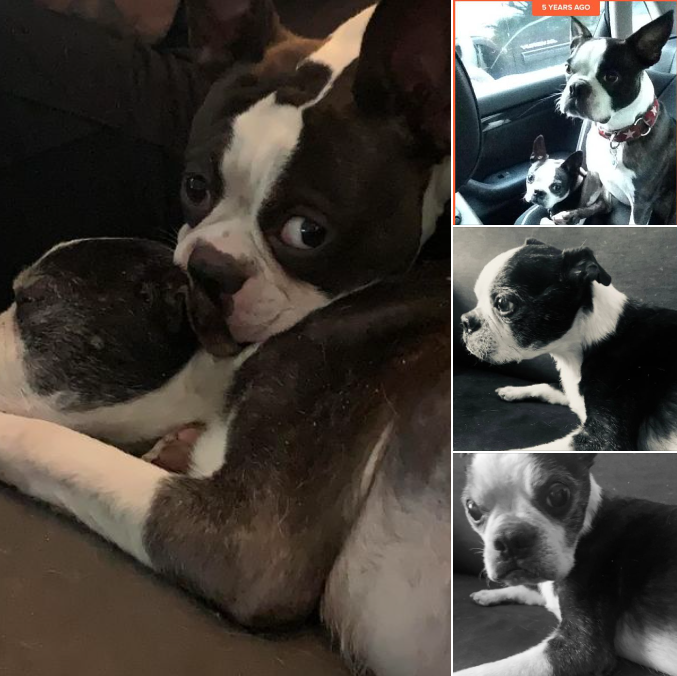
This f*cking guy. The incomparable, Shepherd Pye.

The bullet-proof, energizer bunny who laughed in the face of Cushing’s Disease, liver cancer and multiple near-fatal Pitbull/dog park mutt attacks over the last decade and a half to the tune of 7 scalp staples.

The best buddy who helped watch over my niece, nephew and definitely baby Goose as a loving familial sentry and late-in-life big brother.

Rhuby’s devoted littermate, whose loyalties remained even after Pixie entered the pack. The stalwart without a choice who spent nearly 15 years, two countries, 5 cities and at least 27 poor decisions as a confidant at my undeserving side.

Sure, he bit a couple of people and ruined a few square feet of hardwood flooring along the way. Who amongst us can claim otherwise? Cast the first stone, or frig off.

Our time together has drawn to a close. You were just a dog who only understood a limited scope of phonetic commands. And that you definitely never had a Facebook account, or even your own web browser. But I still want you to know two things:

Nothing will ever replace the great, goddamn run we had together.

And that you will always be loved.

{ 0 Comments }
Previous
Next

Sidebar

Recent Comments

  • admin on Why the “Implication” is TV History’s Darkest Moment
  • admin on Why the “Implication” is TV History’s Darkest Moment
  • Jason Scott Curless on Why the “Implication” is TV History’s Darkest Moment
  • CelebWikiCorner on Defending Gary Busey
  • Monstah on 80’s Music: My Ultimate Top Ten Bestest Song List.

Categories

Copyright © 2026 · Pop Culture Blog: Music, Movie and Humor · All Rights Reserved