Updated on 6/4/26: In Denis Villeneuve’s Blade Runner 2049, the recurring motif of snow serves as a profound thematic counterpoint to the relentless rain of Ridley Scott’s original 1982 film. While the original culminated in Roy Batty’s iconic ‘tears in rain’ monologue, Officer K’s journey ends with tears in snow. This analysis, originally published in August, 2017, explores the meaning of snow in Blade Runner 2049, examining how weather symbolism, Dr. Ana Stelline’s memory creation, and the physical sensation of touch define humanity for replicants and holograms alike.
Table of Contents
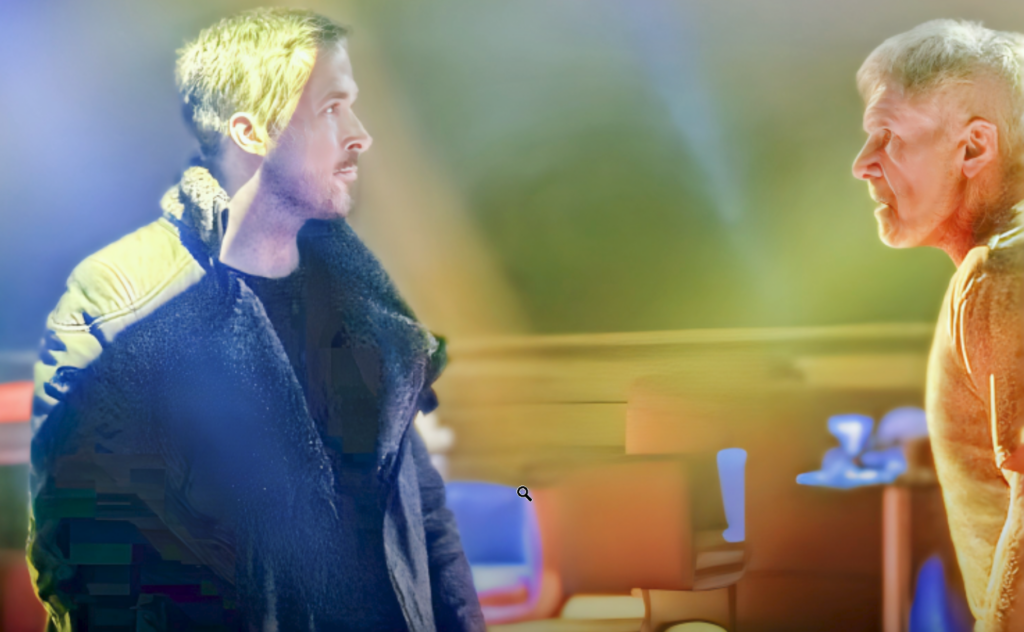
When Deckard finally surfaces in Blade Runner 2049 – living alone in the ruins of a Las Vegas casino, cut off from everything he once was – his opening line to K is a quote from Robert Louis Stevenson’s Treasure Island.
“You mightn’t happen to have a piece of cheese about you, now? Would you, boy?” It’s the line spoken by Ben Gunn, a sailor who has been marooned on a deserted island for three years and has been dreaming of cheese the entire time.
Villeneuve didn’t put that line there by accident. Deckard is Ben Gunn – isolated, half-mad, dreaming of something he can’t have. K recognizes the quote. “Treasure Island?” he asks. Deckard says: “He reads, that’s good.” It’s a throwaway exchange that tells you everything about both of them in six seconds.
Given the pop-culture gravitas of this film, there are hundreds of sites on which to find a Blade Runner 2049 synopsis, cast list or trailer. Google is your friend and I have lots of ground to cover. If you’re a fan of 1982’s both revered and oft-underestimated Blade Runner, however, this review is for you.
“Because you’ve never seen a miracle”
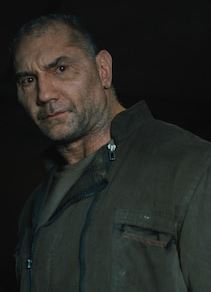
Actually, Sapper, I think I just did. At a theater near Fenway Park, no less. To write an objective review about the unlikely and ridiculously far removed sequel to your favorite movie of all time, 3.5 decades later, is a fool’s errand on the brightest of dystopic Los Angeles days. While I’m quite sure he eventually got paid, Director Denis Villeneuve’s obvious labor of love has made it almost too easy for me to extoll the virtues (and maybe a disappointment or two) of Blade Runner 2049. Short version: This is a fantastic film, for which you do not need a deep knowledge of the original to enjoy. Get a sitter. Go see it. And now, for the long version…
“Memories. You’re talking about memories”
Walking out of Monday’s press screening in Boston, I was unprepared for the clipboard-toting PR person waiting for me outside. “What did you think?” she asked. “F*cking awesome!” with two physical thumbs up, was my unrehearsed and regrettable blurt. Not especially quotable, but she recorded it anyway while appearing happy and (maybe) just slightly relieved. That was my first review. Replying “Yes!” when asked today if I wanted to see it again this weekend was my second. What follows is my third. First, though, a nostalgic vignette to set the stage:
INTERIOR – VW BUG – NIGHT – Summer, 1982: Somewhere in French-speaking Canada, a 9-year-old boy and his father pull in to a dimly lit, backwoods drive-in. The elder, who has previously refused to let his son read a weathered nightstand copy of Philip K. Dick’s source novel (because it’s too violent, David) hooks a speaker onto the red VW Bug’s half-rolled down driver’s side window and settles in for 164 minutes of the film his offspring will keep embarrassingly front of mind for the next 35 years. On the journey back to the summer cottage where absolutely nobody speaks French, and riding a recounted tide of rusty nails shoved through hands, eyeballs crushed by thumbs and women executed on the street for no reason apparent to the passerby – permission to read “Do Androids Dream of Electric Sheep” is begrudgingly given.
We will come back to Quebec later (spoiler).
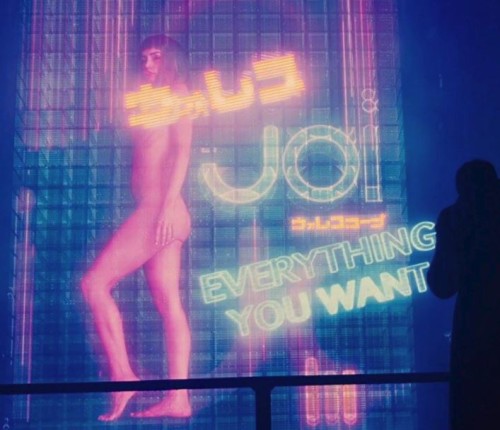
“Everything you want to see…”
At two key points during the movie, Gosling’s “Officer K” encounters billboards which repeat revenue-inducing quips related to what consumers want to “see”, “hear” and “be”. They also look a lot like the beloved and advanced Amazon Echo back at his apartment. It’s deeper than that, I assure you, but here be no spoilers.
Right before the screening in Boston began, a studio PR rep had to read out a message from Denis V. himself. The respectful jist was, “It’s tough to review movies, and I get that, just please don’t ruin the film for everyone else. Zut alors!” While I’m paraphrasing, the lockdown and security surrounding key plot points, I was told, is like nothing anyone in the press corps have seen to date.
What is everything we want to see then? 2049 blows the Blade Runner world straight out – in all directions. Other than the legendary original opening sequence, with L.A.’s towers of fire spouting off whilst accompanied by Vangelis’ intoxicating first notes, and apart from an establishing shot of a Spinner landing or two, there’s precious little shown that isn’t closed-set-sound-stage claustrophobic. The sequel shows us oceans, and deserts, and snow – effectively bringing forward the larger world we’d all imagined as kids (or maybe that was just me). Regardless, it is simply gorgeous.
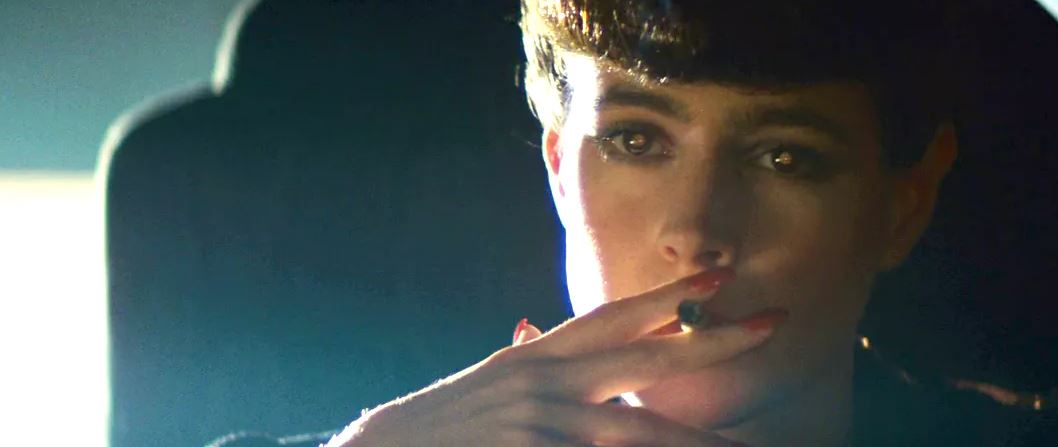
2049 also takes CGI to new levels, particularly apparent towards the end where insufferable long-time fans will see something that may simultaneously induce laughter, sobbing… and possibly sharting. Bring towelettes – you’ve been warned. It’s that heavy.
We also see that the technology in Blade Runner’s universe has evolved since the first film, not surprisingly, as 35 years have passed. Where Deckard once used commands like “stop”, “enhance” and “track right” to investigate Leon’s photographs – we now see the main replicant baddy, (not to be confused with Batty) “Luv”, using those same commands to direct artillery fire. Garbage trucks hover efficiently while sorting filth, smartphones now have a convenient Voight-Kampff app, the Runners get a crazy test called “Baseline” after every shift, Spinners can now dogfight… I should stop there.
“Everything you want to hear…”
A reviewer, whose name I struggle to recall, once referred to the soundtrack of 2008’s There Will be Blood as an “additional character in the film.” Throughout that monumental movie, the music never, ever, ends until the last second of the final credits. It was tailored to the story like nothing we’d ever seen before.
2049’s score is almost as equally engulfing and tailored. Hans Zimmer picked up the heavy task of scoring the film, in Vangelis’ brilliant Grecian shadow, after Johann Johannsson left the project. This left many clammy-handed BR devotees up in arms, but the result was worth the nerdy turmoil. Most noteworthy are the deep (very deep) notes used in transitional shots while Spinners are flying past. This happens a few times, and after the first instance I was immediately hoping there’d be another location change so I could feel that rush one more time.
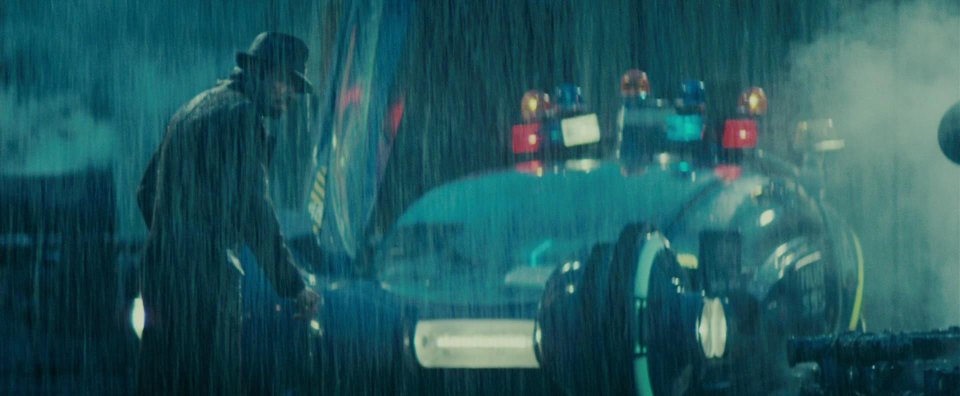
The better news is, Vangelis’ original score is strategically woven in at key moments, and the final scene sees Zimmer’s work completely stripped away in favor of those hot, hot bars from 1982 many of us know so well. Like the hovering Spinner barking orders at Officer K, that unmistakable noise an old Tyrell Corp terminal makes while booting up, voiceovers recounting the mystery’s clues during flight time, heavy leather overcoats and whiskey – 2049’s soundscape glances over its shoulder several times to acknowledge its older sibling. There are more examples. Many more. But, you know… spoilers.
“Everything you want to be…”
The humans in 2049 know their history. The replicants only hope they do. The conundrum of implanted memories is a major theme carried over from the original. Only now, Officer K has access to historical replicant POV recordings – dampening the disbelief required to connect the two flicks and still sleep at night. Callbacks to human history which the characters must be aware of are in no short supply. Baby Goose’s (Gosling, anyone?) cell phone links to a lovely 2049 version of an Amazon Alexa back at home, named “Joi”, and plays the opening strands of “Peter and the Wolf” each time it rings. Took me a while to place the tune, and after more time passes I’m sure I’ll appreciate the reference. Hasn’t occurred to me just yet (So… if Luv is the wolf, does that make Deckard and K the sheep? Are the resistance the larger flock? Are all of the sheep androids?) Enough. Joi is the love of K’s life, one lost manufactured soul protecting another, and her presence in the film provides what little insight we get into K’s character.
We all saw Sinatra’s hologram in the second trailer, and should also know by now that Deckard is hiding out in Las Vegas. A favorite scene of mine involves Baby Goose and Ford trading blows while the ghost of Deckard’s casino plays intermittent holograms of the strip’s past in the background. “You know what BR2 needs? More Liberace!” Another thoroughly enjoyable clue that the past is still present in this crazy world.
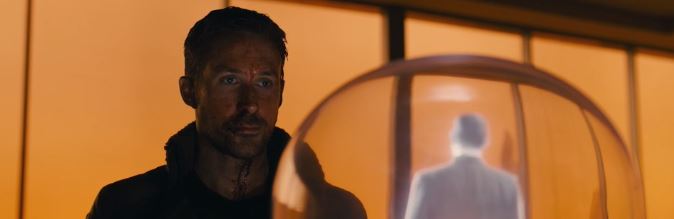
Also noticeable is a nod to Treasure Island, but far more fascinating are two (that I counted) subtle references to the story of Pinocchio. At one intimate point, Joi informs Officer K that, “A real boy needs a real name”. No accidental dialogue there, and I guess that makes Jared Leto’s Niander Wallace… Gepetto? Pinocchio allegories have been thrown around in BR forum threads for years, and now there’s a direct reference. Only instead of strings, replicants have a 4-year life span. Anyone?
“I want to see a negative before I provide you with a positive”
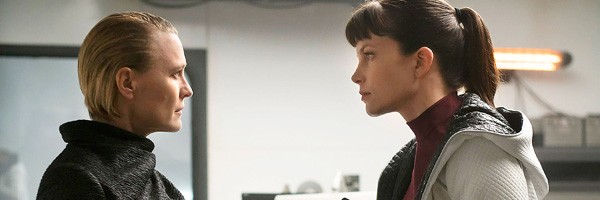
At the risk of otherwise coming off as a garden-variety fan boy, It must be said – I did take issue in one respect. While Sylvia Hoek’s “Luv” is more menacing than I ever thought the actor was capable of – in the narrative she’s just an agent. A stooge driven only by Niander Wallace’s orders. She knows what she is, and couldn’t care less.
You’ll find yourself longing for the tortured warrior-poet, Roy Batty, regardless of whether or not you wanted him or Deckard to prevail on that rainy rooftop in 1982. If this movie needed anything, and that is an admitted stretch because it’s simply a sci-fi milestone, it would be “better-developed and scarier villains”.
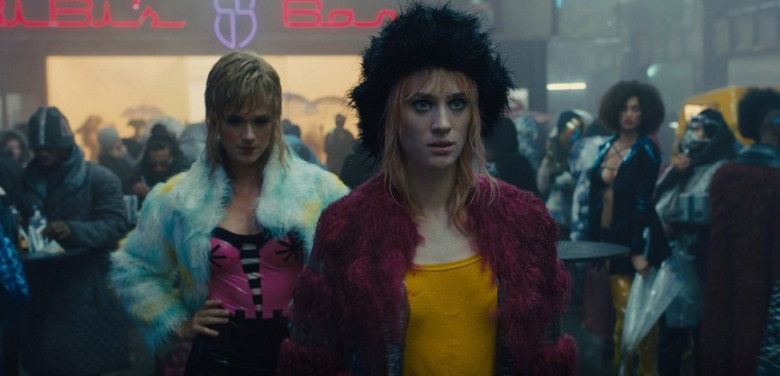
I have just one more gripe, related to casting. Now, the lineup is almost impeccable: Olmos, Bautista, Wright, Baby Goose, Abdi, Hoeks, Leto, etc. My dismay is due to the underuse of one Mackenzie Davis. When charging through the crowd in that first trailer – she was terrifying. I’d hoped she’d turn out to be at least the equivalent of “Pris” from the original. Similar style, similar hair, similar foreboding sense of “would she date me?” Ultimately, she is almost tragically absent for the rest of the movie, bar one fleeting group shot and a virtual sex scene for the ages.
“Many is the night I dream of cheese”
It’s great fun to imagine that, while my 9-year old adolescent pea-brain was being rocked for all time by Ridley Scott in a shoddy Quebec drive-in, a 15-yr old Villeneuve may have been right close by. It’s a sizeable province, but let me have my moment. Maybe he was just one town over, equally as impressed, but with a destiny tied directly to Blade Runner’s unique and astounding universe.
The Godfather did it, as did Jaws and Aliens. Specifically, those franchises saw an eventual sequel which surpassed, or at least lived up to, the original. Blade Runner 2049 will likely be remembered as a sci-fi classic, and I could not be more relieved. In closing: Denis, nous sommes fiers de vous.
What does snow symbolize in Blade Runner 2049?
The weather in Denis Villeneuve’s universe isn’t set dressing. It’s a thematic anchor. In Ridley Scott’s 1982 original, relentless acid rain washed away the artificial tears of dying replicants. By 2049, the climate has collapsed further into toxic snowfall – but the meaning of snow in Blade Runner 2049 shifts from environmental decay to something more personal. A question of authenticity.
To feel the cold bite of snow on your skin is to experience the physical world. It’s the test of what’s real.
| Character | Interaction with Snow | What It Means |
|---|---|---|
| Officer K | Snow melts on his hand as he dies on the steps. | He’s synthetic, but his experience of the world is genuine. The snow doesn’t pass through him. |
| Joi | Holographic snowflakes hesitate on her skin, then pass through. | She wants connection. She can’t have it. Her upgrade gives her a partial field – not a body. |
| Dr. Ana Stelline | Creates synthetic snow memories inside a sterile lab. | The only “real” born child is entirely cut off from the physical world she recreates. |
Irony: The synthetic replicant bleeds out in real snow. The human child manufactures fake snow from behind glass. Villeneuve doesn’t tell you which one is more “alive” – he just puts them side by side and lets you sit with it.
On my second watch – and the third, and the fourth – the snow symbolism in Blade Runner 2049 becomes impossible to unsee.
Tears in rain vs. tears in snow
Roy Batty died on a rainy rooftop in 1982. Officer K bleeds out on snowy steps in 2049.
The parallel is not subtle. Villeneuve wants you to see it.
But the two deaths couldn’t be more different in meaning. Batty fought for more life. He crushed skulls and shoved nails through hands to get it. His “tears in rain” monologue – those 42 words Rutger Hauer partially improvised on set – was a lament for experiences that would be lost. Attack ships on fire off the shoulder of Orion. C-beams glittering in the dark near the Tannhäuser Gate. All gone.
K takes the opposite path. He stops fighting for his own survival. He sacrifices himself so a father can meet his daughter for the first time. When K looks up at the falling snow, he’s not lamenting lost time. He’s accepting his choice.
Batty died a machine grasping for humanity. K dies a man who already found it.
And the musical cue Zimmer plays as K lies back on those steps? It’s “Tears in the Rain” from the original Vangelis score. Not a coincidence. Not even close. The blade runner snow ending is the direct spiritual successor to the rain ending – same emotional weight, different weather, different conclusion about what it means to be alive.
Does K die at the end of Blade Runner 2049?
Yes. For fuck’s sake. YES.
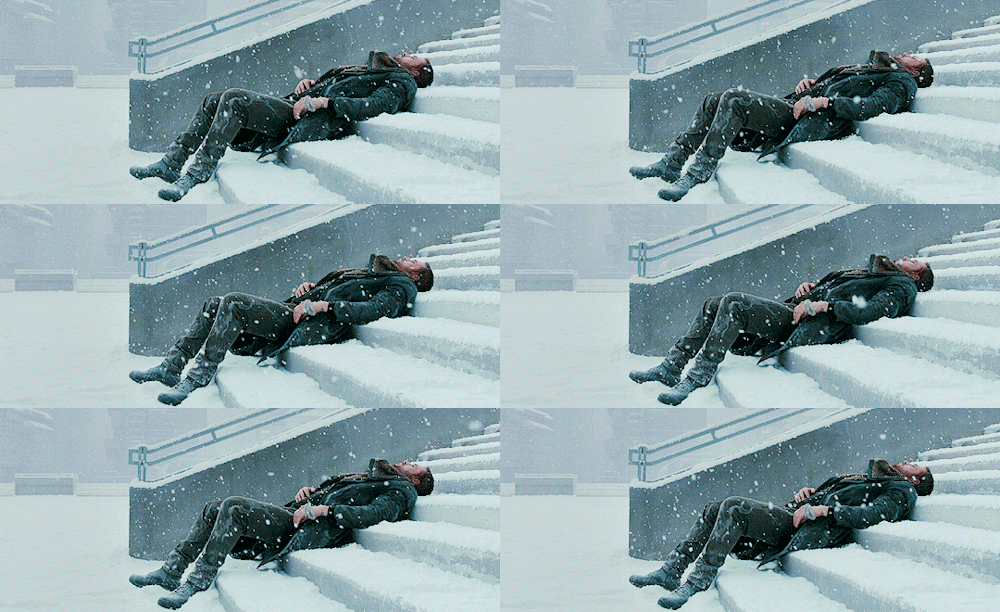
K dies on the snowy steps outside the Stelline facility. He took a knife wound to the abdomen during his fight with Luv in the ocean. He was bleeding out the entire time he walked Deckard to the door. He knew it. Deckard probably knew it too.
Blade Runner 2049 FAQ
What does snow symbolize in Blade Runner 2049?
Snow in Blade Runner 2049 represents the physical sensation of being real. Where Ridley Scott used acid rain as an indifferent backdrop to Roy Batty’s death, Villeneuve uses snow as a test of authenticity. Officer K feels it melt on his hand as he dies. Joi’s holographic snowflakes pass through her. Dr. Ana Stelline manufactures it from behind glass. The snow doesn’t lie about what you are.
Why does Blade Runner 2049 end in snow?
Officer K’s death in the snow is a direct visual callback to Roy Batty dying in the rain in 1982. Villeneuve designed the parallel intentionally – same visual grammar, different emotional conclusion. Batty died grasping for more life. K dies having chosen to give his up for someone else. The snow is the punctuation on that distinction, and Zimmer’s use of the original Vangelis “Tears in the Rain” cue over the scene makes the connection explicit.
Does K die at the end of Blade Runner 2049?
Yes. K dies on the snowy steps outside the Stelline facility from a knife wound sustained during his fight with Luv. He was bleeding out the entire time he walked Deckard to the door. The film doesn’t show his eyes close, but Villeneuve has confirmed in interviews that K’s story ends there. His death is framed not as a tragedy but as a choice – the thing that, more than any implanted memory, makes him real.
What is the Treasure Island reference in Blade Runner 2049?
When Deckard first encounters K in his Las Vegas hideout, he greets him with a line from Robert Louis Stevenson’s Treasure Island: “You mightn’t happen to have a piece of cheese about you, now? Would you, boy?” It’s spoken by Ben Gunn, a sailor marooned alone on an island for three years, dreaming of cheese. Villeneuve uses it to signal that Deckard, like Ben Gunn, has been living in isolation so long he’s half-mad with longing. K recognizes the quote. Deckard says: “He reads, that’s good.”
What is the “tears in rain” monologue in Blade Runner?
The “tears in rain” monologue is Roy Batty’s final speech in the 1982 original, delivered on a rainy rooftop moments before his death. The most famous lines – “All those moments will be lost in time, like tears in rain” – were partially improvised by Rutger Hauer on set. It is widely considered one of the greatest death scenes in cinema history, and Blade Runner 2049’s snow ending is its direct spiritual successor.
Is Blade Runner 2049 worth watching if you haven’t seen the original?
Yes. Villeneuve designed it to function as a standalone film and the world-building is self-contained. That said, the emotional weight of the snow ending, the Vangelis callback, and the significance of Deckard’s return all land considerably harder if you know the original. Watching the 1982 film first is not a hardship.
The film doesn’t show his eyes close. It doesn’t need to. The Vangelis callback, the snow accumulating on his coat, the stillness – it’s the same visual grammar as Batty’s death. Villeneuve confirmed in interviews that K’s story ends there.
But his death isn’t a tragedy. K chose this. He chose to protect the secret of Deckard’s daughter. He chose to die for something bigger than his own survival. That choice – more than any implanted memory of a wooden horse, more than any baseline test result – makes him real.
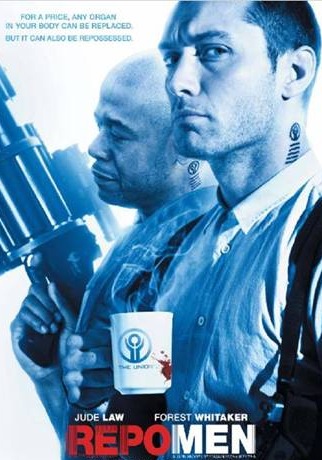
 “What’s my motivation?” Deleted scenes shouldn’t always be so.
 instead… you’re probably better off. I give it 2.5 repossessed spleens out of a possible 5.
 One of my favorite bands of all time write a song dedicated to my favorite movie of all time. How could I not take 5 minutes out of my busiest week in years to comment on this?